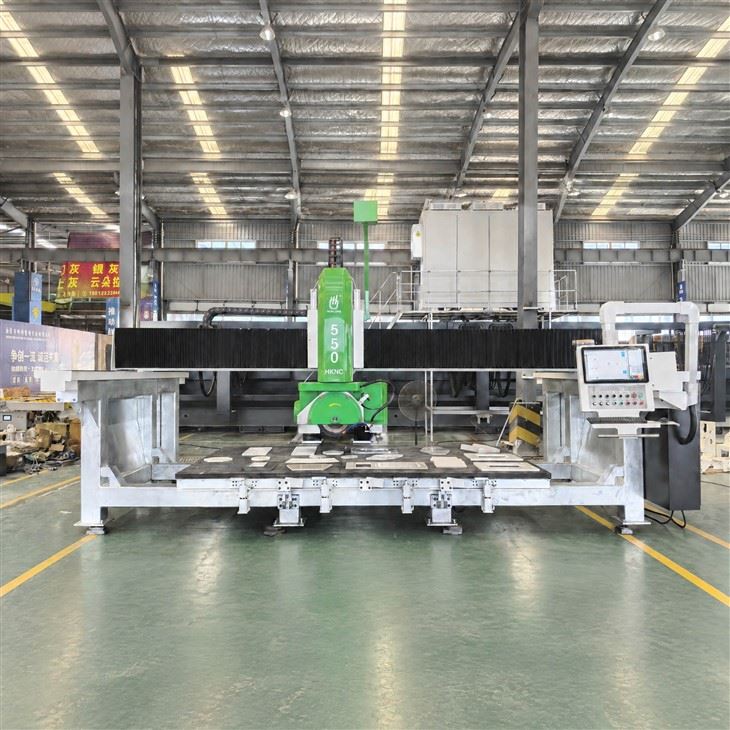
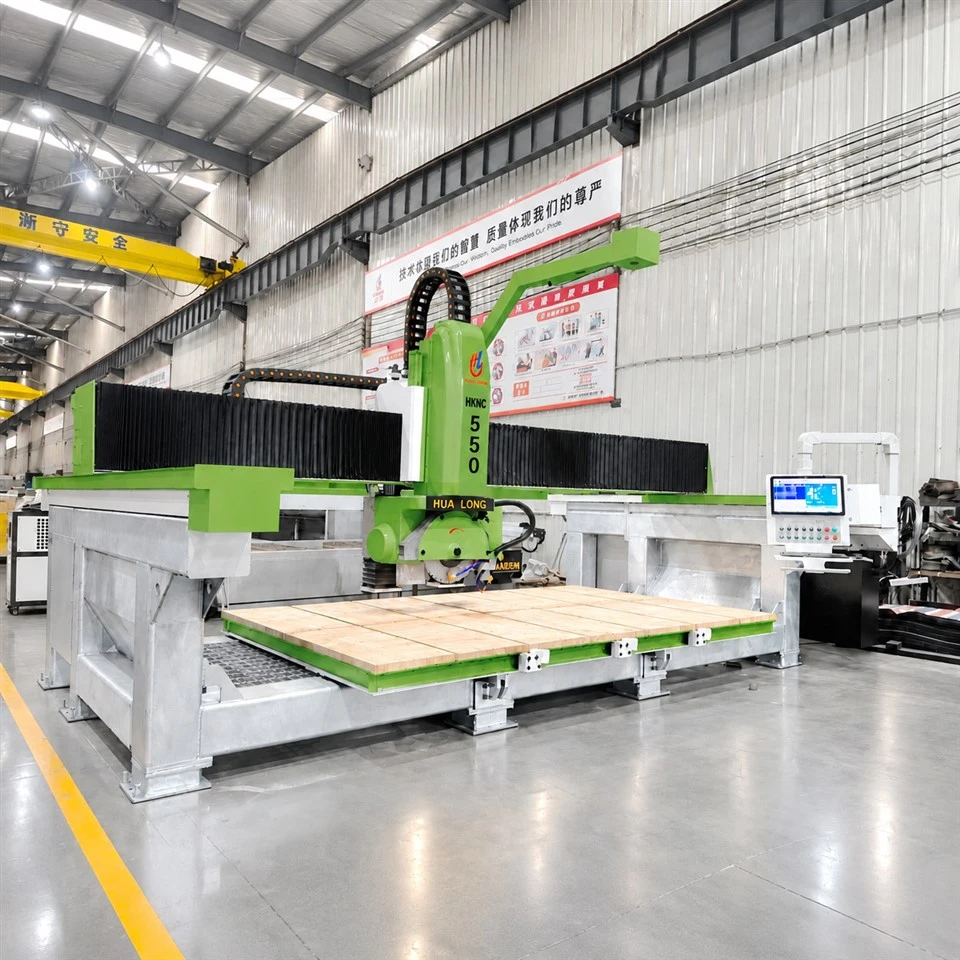
Introduction
Choosing between a multi blade stone cutting machine and a single blade block cutter involves more than comparing purchase prices or cutting speeds. For stone processing factories, the real difference lies in how each machine affects labor costs, material yield, downstream processing, and overall production efficiency. Understanding these factors helps factory owners decide whether to retain single-blade equipment, invest in multi-blade production, or combine both in one manufacturing line.

Multi Blade vs Single Blade: What Does Each Square Meter Really Cost
A machine with a lower purchase price does not necessarily deliver a lower production cost, especially when labor, material waste, and downstream processing are included.
Compare the Full Cost of Running Both Setups
A factory targeting 10,000 m² of granite slabs per month can evaluate the two setups across five major cost categories:
Labor Cost: Multiple single-blade machines generally require more operators to maintain the same production volume, while a multi blade stone cutting machine can reduce labor input per square meter through simultaneous cutting and centralized operation.
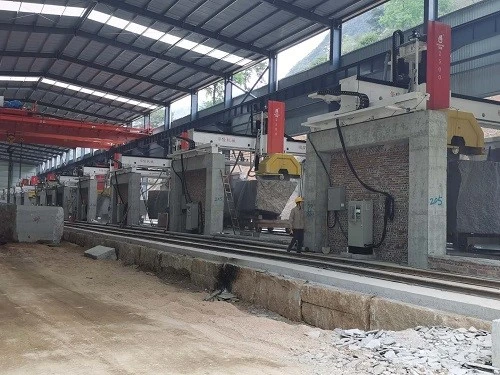
Workshop Space: Running three or four single-blade cutters may require additional machine foundations, operating aisles, block storage areas, and material-handling space compared with a suitably configured multi-blade production setup.
Blade & Kerf Loss: Different blade thicknesses and cutting gaps affect the amount of granite converted into usable slabs, making actual kerf loss an important factor in material cost calculations.
Polishing & Calibration: Inconsistent slab thickness can increase calibration time, abrasive consumption, and rework on downstream polishing machines, so cutting accuracy also affects the cost of finished stone.
Downtime & Maintenance: Blade changes, equipment servicing, breakdowns, and production interruptions reduce effective output and should be included when comparing the operating costs of both setups.
Calculate the Actual Cost Per Square Meter
Factories can compare the two configurations using the following formula:

Total monthly production cost should include labor, electricity, blades, maintenance, workshop expenses, material losses, and downstream processing, while qualified monthly output should count only slabs that meet the required quality standards.
Why Many Stone Factories Use Both Machines in One Production Line
A mixed cutting setup allows manufacturers to assign each machine to the work it handles most efficiently, rather than requiring one machine to process every type of stone block and order.
Use Single Blade Cutters for Block Preparation and Special Orders
Block Squaring
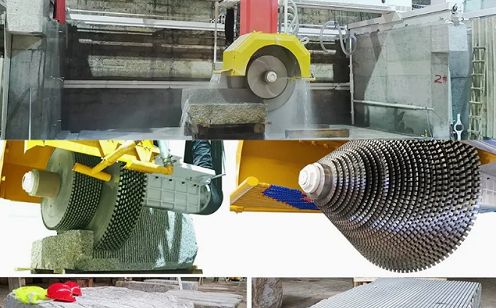
A single blade block cutter can trim irregular blocks and square their 6 sides before they enter the multi-blade cutting stage, creating more suitable conditions for subsequent processing.
Thick Slab Cutting
Single-blade equipment is better suited to flexible production of slabs measuring 5 cm or more, including curbstones and tombstone bases that require different cutting specifications.
Special Dimensions
Small-batch orders, non-standard slab sizes, and products requiring frequent cutting adjustments can remain on single-blade machines without interrupting standardized production schedules.
Keep Multi Blade Machines Focused on Standard Slab Production
Standard Thickness Production
A multi blade stone cutting machine can handle recurring orders for 1.8–3 cm slabs, with the blade arrangement selected according to the required product thickness.
Continuous Batch Processing
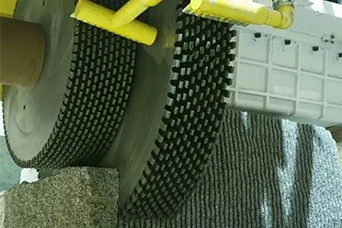
Multiple blades cut a block simultaneously, making this configuration suitable for factories that need consistent output across large orders of standard-sized slabs.
Production Scheduling
Assigning standardized orders to multi-blade equipment allows factories to plan block loading, cutting cycles, and slab handling more efficiently.
Protect Blade Sets by Assigning the Right Material
Irregular blocks, unstable surfaces, and internal defects should be assessed before multi-blade cutting because unsuitable material conditions can increase the risk of blade deviation, jamming, and abnormal wear.
If you are still comparing the technical differences between these two machine types, read our guide: "Multi Blade Stone Cutting Machine vs. Single Blade Block Cutter: Which Is Right for Your Factory?" for a closer look at cutting performance, automation, energy consumption, and equipment selection.
Learn More:
https://www.stonecuttingmachine.com/info/multi-blade-vs-single-blade-block-cutter-103714808.html
Which Machine Handles Difficult Stone and Challenging Working Conditions Better
Stone hardness, internal defects, block geometry, and operating conditions can all influence cutting performance, so machine selection should account for the actual materials and working environment.
Irregular Blocks & Natural Stone Defects
Single-Blade Cutting Flexibility
When processing blocks with visible cracks, suspected micro-cracks, or uneven crystal structures, operators can inspect the cutting process after individual passes and adjust the approach according to the material's condition.
Multi-Blade Material Selection
Multi-blade cutting is more suitable for blocks with relatively consistent geometry and stable internal structures, reducing the risk of uneven loading across multiple blades.
Pre-Cutting Inspection
Checking block stability, crack distribution, and the intended cutting direction before processing helps manufacturers reduce material waste and avoid unnecessary blade damage.
Hard Granite, Basalt & Cold-Region Production
High-Hardness Materials
Cutting basalt and hard granite requires appropriate motor power, diamond blade specifications, cutting speed, and cooling capacity to maintain stable processing conditions.
Slag & Cooling Management
Automatic spray cooling and slag discharge systems help maintain the cutting environment and remove accumulated cutting waste during continuous production.
Low-Temperature Operation
Factories in cold regions such as Russia should check water pipelines, drainage arrangements, antifreeze measures, and equipment startup requirements before establishing winter production schedules.
4 Signs Your Factory Is Ready to Upgrade from Single Blade to Multi Blade Cutting
Upgrading becomes worth considering when the limitations of single-blade production begin to affect order fulfillment, labor efficiency, and the profitability of the entire manufacturing line.
1. Your Monthly Outsourcing Costs Keep Increasing
When recurring outsourcing expenses approach the monthly financing and operating costs of an additional multi-blade machine, bringing more cutting work in-house may offer better long-term cost control.
2. Labor Shortages Are Limiting Production Hours
If night shifts frequently stop because of operator shortages or existing machines require too much manual intervention, a more automated cutting setup may help increase productive operating hours.
3. Your Polishing Line Is Waiting for More Slabs
When polishing machines regularly wait for incoming slabs, the block-cutting stage may have become a production bottleneck, making additional cutting capacity worth evaluating.
4. Standard Slab Orders Are Taking Up Too Much Machine Time
If standard-thickness orders occupy most of your single-blade machines, leaving insufficient time for special dimensions and thick slabs, transferring bulk orders to multi-blade equipment can improve production scheduling.
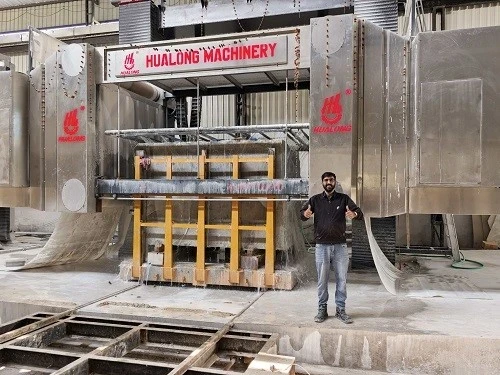
For factories considering this transition, Hualong offers multi-blade stone cutting machines with 6–26 blade configuration options and project-based recommendations according to stone material, block dimensions, target slab thickness, and expected output. Its engineering support also covers equipment configuration, installation, commissioning, and operator training to help manufacturers integrate new cutting capacity into existing production workflows.
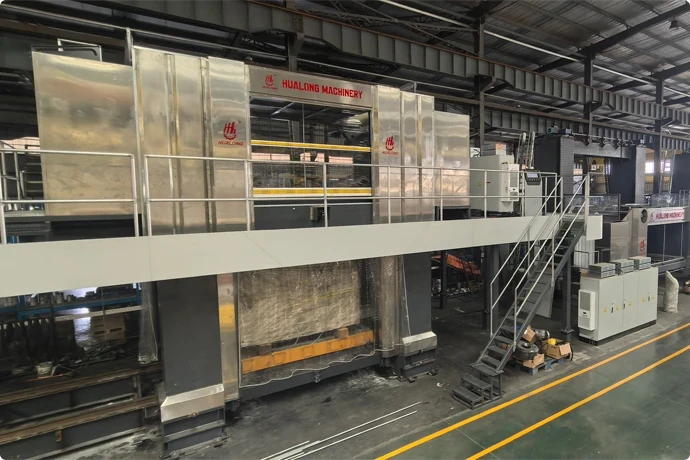
Conclusion
A multi blade stone cutting machine is generally better suited to standardized, high-volume slab production, while a single blade block cutter offers greater flexibility for irregular blocks, thick slabs, and specialized orders. For factories with mixed production requirements, combining both machines can improve equipment utilization, control operating costs, and reduce pressure on individual production stages. Contact our engineering team with your stone type, block dimensions, target slab thickness, and monthly production requirements to find the right cutting equipment configuration for your factory.
Contact for Your Blade Cutting Machine Selection
FAQ
Q: Can a Multi Blade Stone Cutting Machine Process Different Slab Thicknesses?
A: Yes, different slab thicknesses can be produced by adjusting the blade arrangement and cutting configuration, provided the machine model supports the required specifications.
Q: Does a Multi Blade Block Cutter Require Special Foundation and Workshop Preparation?
A: Yes, installation planning should account for foundation load capacity, machine dimensions, block handling space, electrical supply, cooling water, and drainage requirements.
Q: How Can I Choose the Right Multi Blade Stone Cutting Machine for My Factory?
A: Provide your stone material, block size, target slab thickness, expected daily output, and workshop layout to receive an equipment recommendation that matches your production requirements.