Introduction
Producing stone slabs with consistent thickness is essential for maintaining product quality, reducing material waste, and meeting the dimensional requirements of bulk orders. Uneven thickness, tapered edges, and wavy surfaces can increase polishing costs and cause problems during slab installation, particularly when processing high-value marble and ultra-thin stone. Achieving reliable thickness consistency requires accurate cutting equipment, stable machine structures, controlled feeding systems, and properly managed surface finishing.

What Causes Uneven Thickness in Stone Slabs
Stone slab thickness variation usually results from several mechanical and processing factors that affect cutting accuracy throughout production.
- 1. Unstable Cutting Tools: Uneven diamond wire tension, worn saw blades, and incorrect tool installation can cause cutting paths to deviate and produce inconsistent slab thickness.
- 2. Machine Vibration & Structural Deflection: Insufficient frame rigidity, worn guide rails, and excessive operating vibration can cause blade deflection and uneven cutting surfaces.
- 3. Inconsistent Feeding & Cutting Parameters: Unstable feeding speeds, incorrect cutting depths, and inconsistent machine settings can affect cutting pressure and create thickness variations between slabs.
- 4. Uneven Surface Finishing: Significant thickness differences in rough-cut slabs require more material removal during grinding and polishing, increasing processing time and the risk of over-grinding.
4 Ways to Improve Stone Slab Thickness Consistency
Choosing the right cutting and finishing equipment helps control thickness variation at different production stages, from initial block cutting to final surface treatment.
1. Use Multi-Wire Saw Technology for Ultra-Thin and High-Value Slabs
Synchronized Multi-Wire Cutting
Multiple diamond wires cut the stone block simultaneously, reducing repeated positioning and helping maintain consistent cutting conditions across multiple slabs.
0.3–0.8 mm Ultra-Thin Diamond Wires
Ultra-thin wires reduce kerf loss and cutting resistance, making them suitable for producing thin marble and granite slabs, including thicknesses below 10 mm.
Intelligent Wire Tension Control
Real-time tension monitoring and adjustment help keep each diamond wire stable, reducing cutting path deviation and thickness differences between slabs.
Low-Vibration Cutting
A rigid machine structure and synchronized drive system help minimize vibration, reducing surface waviness and improving slab flatness.
These features make an ultra-thin multi-wire saw particularly suitable for high-value stone processing, where lower kerf loss, improved material utilization, and thin slab production directly affect manufacturing costs.
2. Choose a Multi-Blade Block Cutter for Consistent Batch Production
Hiwin Linear Guide System
High-precision linear guides help maintain straight and stable cutting movements, reducing deviations when processing hard stone blocks.
Heavy-Duty Reinforced Steel Frame
A reinforced frame improves structural rigidity under heavy cutting loads and helps minimize vibration when multiple blades operate simultaneously.
Siemens PLC Control
Programmable control of blade spacing and cutting depth reduces manual adjustment errors and helps maintain consistent slab dimensions across production batches.
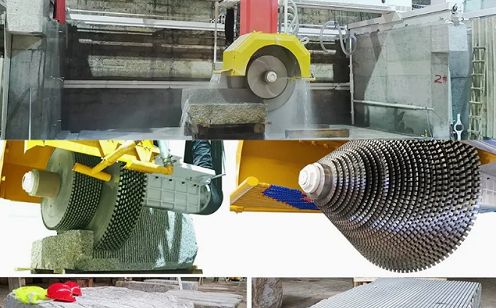
Multiple-Blade Cutting
Simultaneous cutting with multiple blades supports efficient production of granite, quartzite, and other hard stone slabs in common thicknesses such as 17 mm, 20 mm, and 30 mm.
Multi Blade Block Cutter Machine
This configuration is suitable for factories handling regular bulk orders that require repeatable slab dimensions, stable production output, and efficient utilization of stone blocks.
3. Use a Gangsaw for Stable Large-Scale Marble Slab Production
Hydrostatic Circular Guide Rails
Hydrostatic guide rails provide stable, low-friction support for the saw frame, helping reduce uneven movement and guide wear during continuous operation.
Double-Crank & Double-Connecting-Rod Structure
This mechanical arrangement supports balanced reciprocating movement of the saw frame, reducing operational instability during large-block cutting.
VFD-Controlled Feeding
Variable-frequency control regulates table lifting and feeding speed, helping maintain consistent cutting loads and reducing excessive pressure on the saw blades.
Mechanical Anti-Impact Protection
A shock-absorbing mechanism helps reduce the effects of sudden cutting resistance, protecting critical components and supporting stable cutting performance.
Gangsaw
A modern gangsaw is particularly suitable for large-scale marble and limestone processing, where stable reciprocating movement and controlled feeding are important for producing multiple slabs with consistent thickness.
4. Control Surface Finishing with an Automatic Stone Polishing Machine
PLC-Controlled Working Pressure
Adjustable polishing pressure and processing width allow operators to match grinding conditions to different stone materials and reduce uneven material removal.
Multiple Polishing Heads
Sequential grinding and polishing heads gradually refine slab surfaces, helping achieve consistent finishing quality across large production batches.
Material-Specific Grinding Heads
Fickert heads are commonly used for granite and other hard stones, while Frankfurt heads are suitable for marble polishing applications.
Continuous Production
Automated conveyor feeding and coordinated polishing heads reduce manual handling differences and improve consistency in surface treatment.
Multi Head Stone Polishing Machine
Although polishing cannot replace accurate thickness calibration, a properly configured line polishing machine helps remove minor cutting marks, control surface material removal, and achieve more uniform finished surfaces and gloss levels.
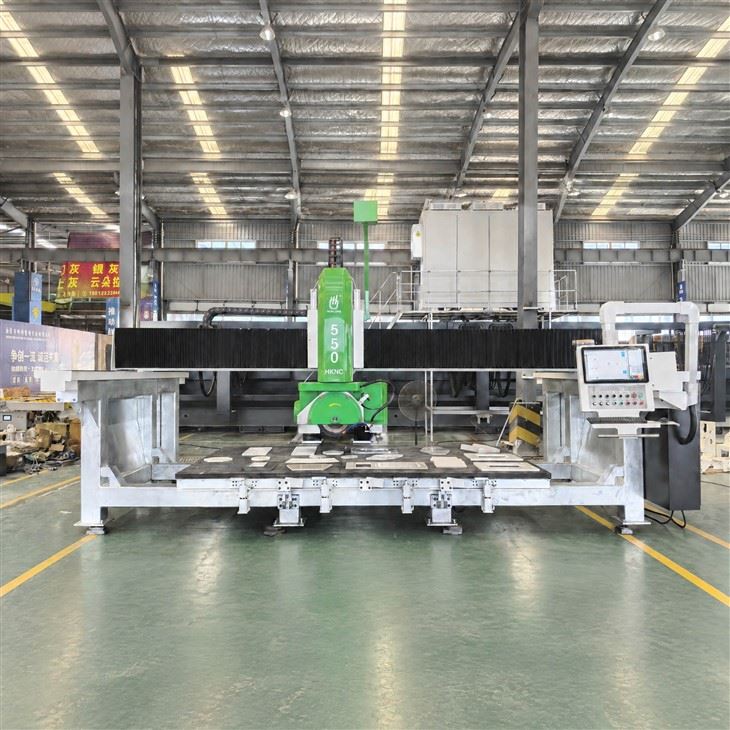
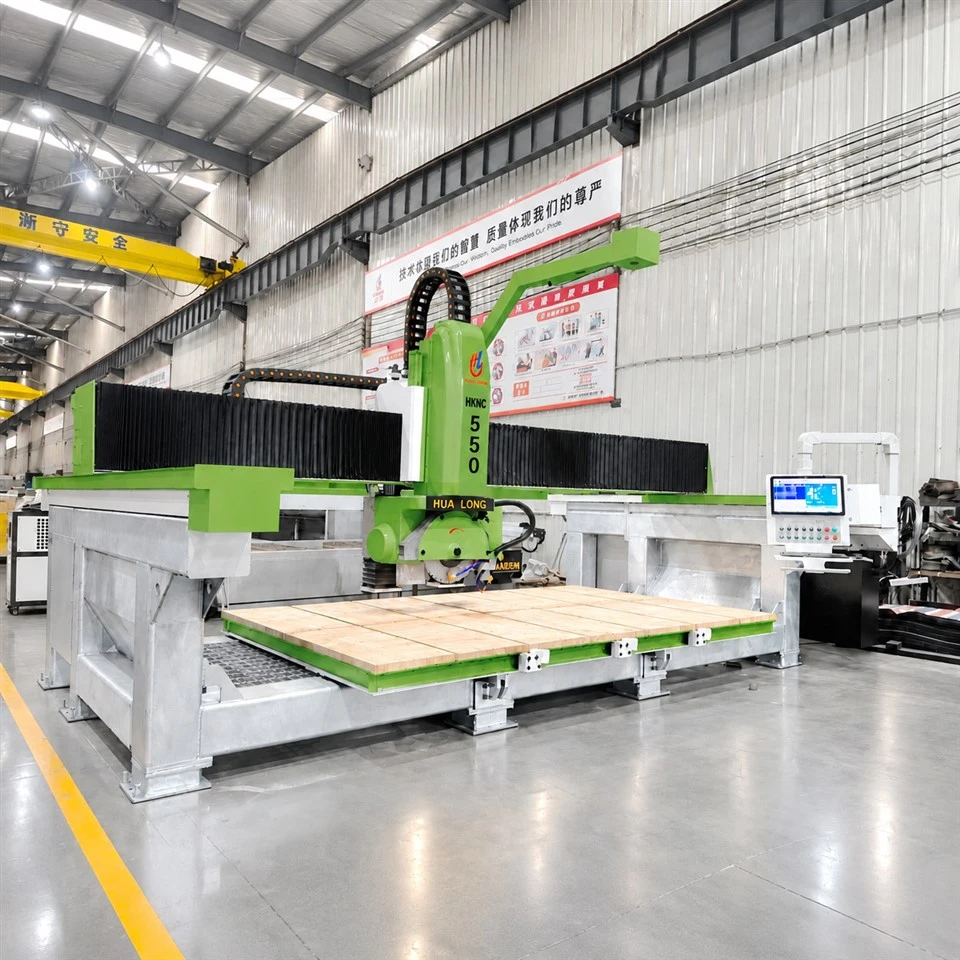
How to Choose the Right Machine for Your Stone Slab Production
The right machine depends on the stone material, target finished thickness, block dimensions, and required daily production capacity.
|
Processing Requirements |
Recommended Machine |
Key Thickness Control Features |
|
High-value marble & ultra-thin slabs |
HLMW-100/150 Multi-Wire Saw |
0.3–0.8 mm diamond wires, synchronized cutting, tension control |
|
Granite & other hard stones |
HLQH-2500 Multi-Blade Block Cutter |
Linear guides, reinforced frame, PLC control |
|
Large-scale marble production |
HLKJ-100/S800 Gangsaw |
Hydrostatic guide rails, double-crank structure, VFD feeding |
|
Final slab surface finishing |
Automatic Line Polishing Machine |
Adjustable working pressure, multiple polishing heads, PLC control |
- Match the Machine to the Stone Material: Consider stone hardness, internal cracks, block dimensions, and cutting characteristics before selecting a multi-wire saw, multi-blade cutter, or gangsaw.
- Define the Target Finished Thickness: Distinguish between rough-cut thickness and final polished thickness, allowing sufficient material for subsequent grinding and surface correction.
- Calculate Daily Production Capacity: Evaluate required output, operating hours, blade or wire configuration, and polishing line speed to ensure that cutting and finishing processes can handle the same production volume.
Maintenance Practices That Help Maintain Cutting Accuracy
Regular equipment maintenance helps prevent gradual accuracy loss and keeps stone slab production consistent over time.
Inspect Cutting Tools
Check diamond wire tension, saw blade wear, and tool installation regularly to prevent cutting deviations caused by damaged or improperly maintained tools.
Clean and Inspect Guide Rails
Remove stone dust and cutting residue from guide rails while checking for wear, looseness, and abnormal movement.
Maintain Cooling Water Supply
Ensure sufficient cooling water flow and correct spray positioning to reduce excessive heat, tool wear, and cutting instability.
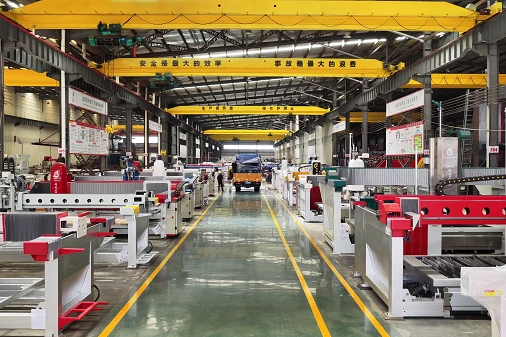
Hualong provides stone cutting and polishing equipment designed around stable machine structures, controlled cutting movements, and automated processing requirements. Its equipment range supports factories looking to improve slab thickness consistency through appropriate machine selection and coordinated cutting and finishing configurations.
Conclusion
Producing stone slabs with consistent thickness requires more than accurate cutting tools; it depends on stable machine structures, controlled feeding, suitable cutting technology, and consistent surface finishing. Multi-wire saws, multi-blade block cutters, gangsaws, and automatic polishing machines each address different production requirements, allowing stone processors to improve dimensional consistency while reducing unnecessary material removal. Contact our engineering team with your stone type, block dimensions, target slab thickness, and daily production capacity to receive a suitable equipment configuration and quotation.
Stone Slab Thickness Consistency Solution
FAQ
Q: What Causes Uneven Thickness in Stone Slabs?
A: Uneven thickness commonly results from unstable cutting tools, machine vibration, worn guide rails, inconsistent feeding speeds, and excessive material removal during polishing.
Q: Which Machine Is Best for Cutting Stone Slabs Below 10 mm?
A: An ultra-thin multi-wire saw is suitable for producing stone slabs below 10 mm because its fine diamond wires reduce kerf loss and support stable thin-slab cutting.
Q: Can Polishing Machines Correct Uneven Stone Slab Thickness?
A: Polishing machines can remove minor surface irregularities and improve flatness, but significant thickness variations should be addressed during cutting or dedicated thickness-calibration processes before final polishing.