Introduction
As demand for customized kitchen countertops, sintered stone surfaces, quartz worktops, and natural stone projects grows, stone fabricators increasingly need bridge saws that can handle precise cutting, 45-degree mitering, sink cutouts, and complex shapes. When upgrading production equipment, buyers often face a choice between purchasing directly from a bridge saw factory or working with a local bridge saw distributor. The better option depends less on the initial machine price and more on your production requirements, technical resources, and expectations for long-term equipment support.
Why Buy a Bridge Saw Directly from a Factory
Buying directly from a manufacturer gives stone fabricators greater control over machine configurations, technical requirements, and production planning, particularly when standard bridge saws can no longer meet their processing needs.
More Control Over CNC Configurations and Software
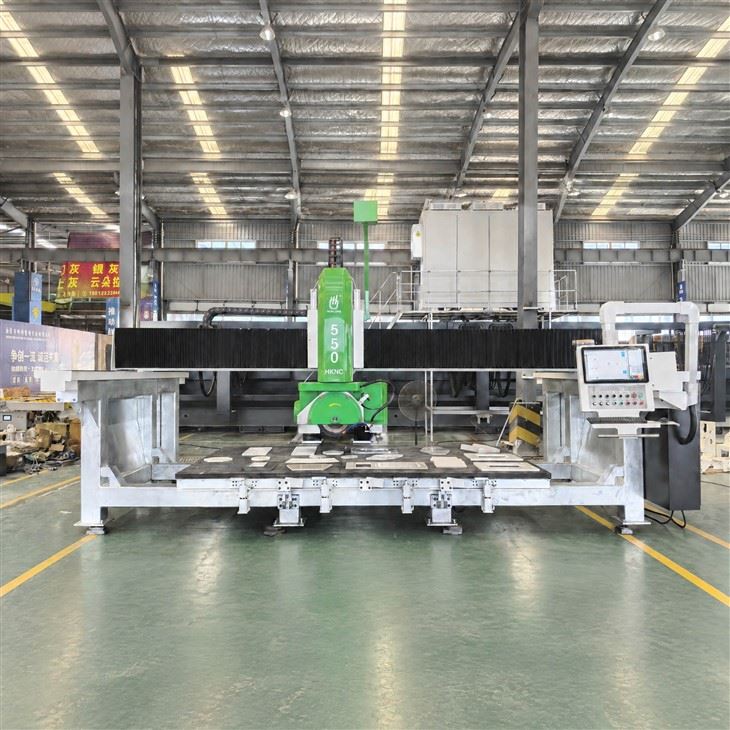
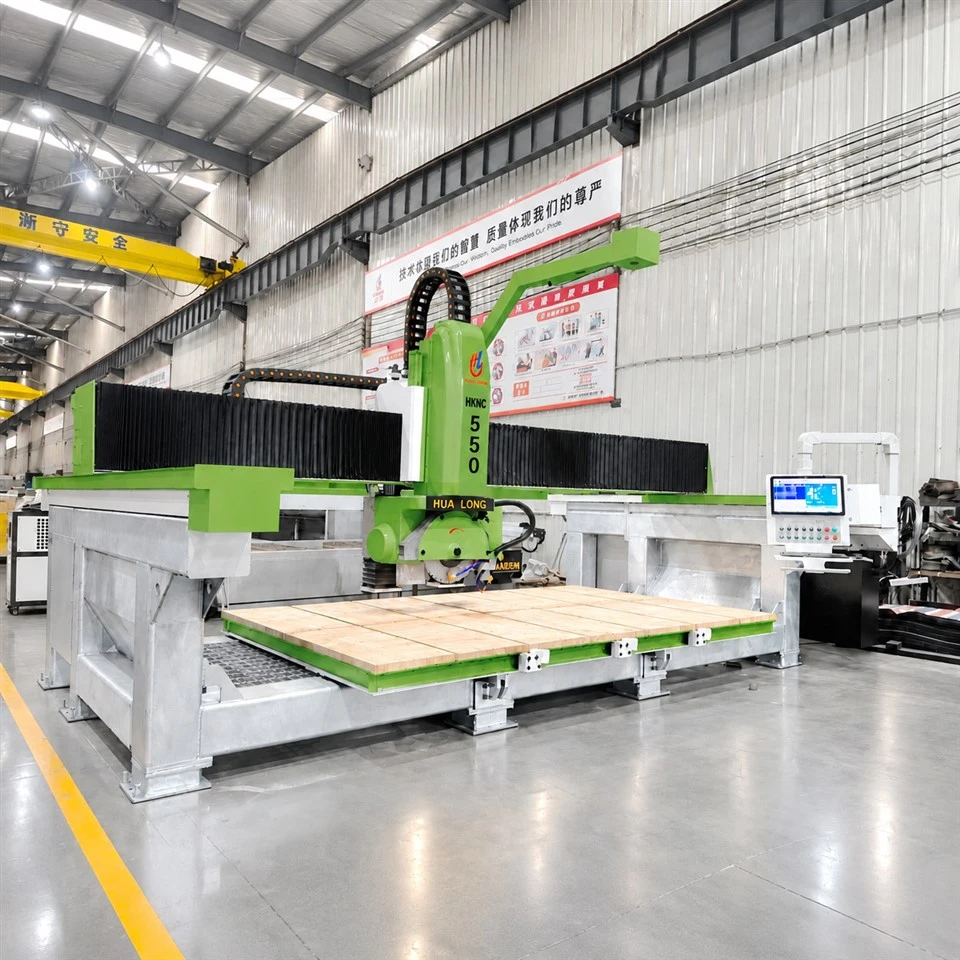
A bridge saw factory can help buyers select suitable 4-axis or 5-axis CNC configurations, PLC systems, and software such as Italian ESA CNC and Pegasus CAD/CAM to accommodate different cutting requirements, including 45-degree mitering, drilling, milling, and complex stone fabrication.
Better Access to Integrated Production Solutions
When a stone processing business plans to expand beyond individual cutting machines, working directly with a manufacturer makes it easier to coordinate bridge saws with waterjet cutting machines, polishing equipment, and water recycling systems to create a more efficient production workflow.
Direct Engineering Support for Special Requirements
Direct communication with factory engineers allows buyers to discuss optional features such as vacuum suction cups, camera positioning systems, automatic lubrication, and high-power spindles according to their material characteristics, workpiece dimensions, and production processes.
When Is a Bridge Saw Distributor the Better Choice
A local distributor can be a practical purchasing channel for stone fabricators that prioritize equipment availability, on-site assistance, and convenient maintenance over extensive machine customization.
Faster Access to Spare Parts and On-Site Repairs
Distributors with local spare parts inventories and qualified maintenance technicians can respond more quickly to common equipment failures, helping stone workshops reduce production interruptions caused by waiting for replacement sensors, electrical components, or mechanical parts from overseas.
Hands-On Installation and Operator Training
Local distributors can provide on-site installation, commissioning, and practical operator training, which is particularly valuable for workshops whose employees have limited experience with CNC programming, CAD/CAM software, camera positioning, and automated cutting functions.
Simpler Local Purchasing and Delivery
Purchasing through a local distributor can reduce the administrative work associated with international shipping, customs clearance, import duties, and heavy-equipment transportation, although buyers should confirm whether these services are included in the quotation.
Bridge Saw Factory vs Distributor: 5 Key Differences
The following comparison highlights five purchasing factors that stone fabricators should evaluate before deciding which supply channel better matches their operational requirements.
|
Comparison Factor |
Bridge Saw Factory |
Bridge Saw Distributor |
|
Machine Configuration |
Greater flexibility in CNC configurations and optional modules |
Mainly supplies available models and configurations |
|
Purchase Cost |
Direct factory quotation, plus import and delivery costs |
Local selling price may include logistics and service costs |
|
Technical Communication |
Direct access to factory engineering teams |
Communication may involve an additional sales or service layer |
|
Spare Parts |
Original parts supplied by the manufacturer, with overseas shipping considerations |
Faster access when local inventory is available |
|
Installation & Maintenance |
Factory guidance or arrangements through local service partners |
Local installation and maintenance, depending on service coverage |
However, the initial quotation does not represent the complete equipment investment, so buyers should calculate the Total Cost of Ownership (TCO) by considering transportation, import duties, installation, training, maintenance, and potential production losses caused by machine downtime.
Which Should You Choose: A Bridge Saw Factory or A Local Distributor
Your purchasing decision should reflect your workshop's current production stage, in-house technical capabilities, and ability to manage equipment installation and maintenance.
Choose a Local Distributor If You Need Immediate Local Support
A local distributor is generally suitable for small stone workshops purchasing their first standard bridge saw, businesses without dedicated maintenance technicians, and fabricators that prioritize readily available machines and accessible on-site assistance.
Buy Directly from a Bridge Saw Factory If You Plan to Upgrade Production
Direct factory purchasing is often more suitable for established fabricators upgrading to 4-axis or 5-axis CNC equipment, processing complex sintered stone and quartz projects, requiring customized machine configurations, or planning to expand their production capacity.
How to Verify a Bridge Saw Manufacturer and Get the Best of Both Options
Before placing an order, buyers should verify that the supplier has genuine manufacturing capabilities and determine whether its service network can support the machine throughout its operating life.
Check the Manufacturer's Actual Production Capabilities
Manufacturing Facilities
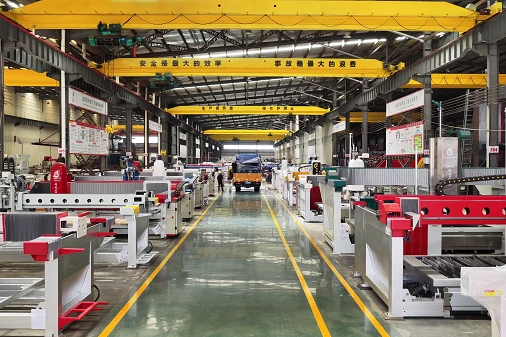
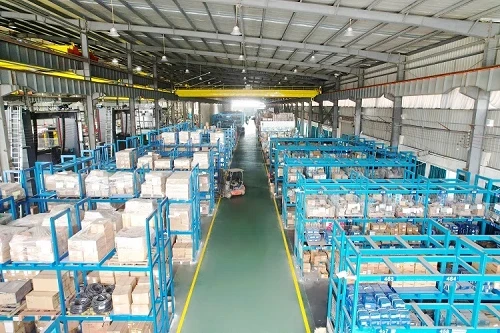
Check whether the supplier operates its own bridge saw production workshops, assembly areas, and equipment manufacturing facilities rather than relying entirely on outsourced production.
Quality Inspection
Request information about machine inspection procedures, factory acceptance testing, and the verification of critical mechanical and electrical components.
Technical Development
Examine the manufacturer's engineering team, patented technologies, and ability to develop and improve machine configurations.
Certifications
Verify the authenticity and applicable scope of ISO 9001, ISO 14001, CE, and other relevant certifications instead of relying on certification logos alone.
Consider a Factory with Localized Global Support
A factory with authorized distributors or service partners in overseas markets offers another purchasing option: buyers can communicate directly with the manufacturer about machine specifications and technical requirements while relying on local partners for installation, training, and maintenance. This Factory Direct + Local Service model can combine the configuration flexibility of direct purchasing with the practical advantages of local equipment support.
Hualong provides a relevant example, with more than 50,000 m² of manufacturing facilities, 87 valid patents, and dedicated production and quality inspection capabilities. Its overseas authorized distributors and service partners in selected markets also help bridge the gap between direct factory purchasing and local technical support.

Conclusion
Choosing between a bridge saw factory and a distributor ultimately depends on your production requirements, technical resources, and expectations for equipment support. Distributors can be a practical choice for standard machines and immediate local assistance, while direct factory purchasing offers greater advantages for customized CNC configurations and production upgrades. Contact our team with your stone materials, cutting requirements, workpiece dimensions, and production capacity to discuss suitable bridge saw configurations and request a quotation.
Required for Detailed Selection Recommendation