Introduction
Choosing between a multi blade stone cutting machine and a single blade block cutter can directly affect your factory`s production capacity, operating costs, and finished slab quality. While single blade machines offer flexibility for specialized cutting jobs, multi blade systems can improve throughput when processing large volumes of standardized stone slabs. Understanding the differences in cutting performance, thickness consistency, energy consumption, automation, and workshop requirements will help you select equipment that matches your production goals.

Multi Blade vs. Single Blade Stone Cutting Machine: Key Differences
The main difference lies in how each machine processes stone blocks, how many cuts it can perform simultaneously, and how efficiently it supports your production workflow.
How Each Machine Cuts Stone Blocks
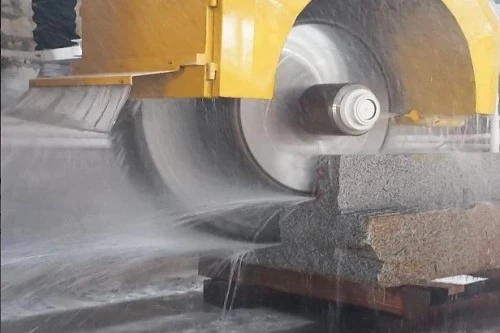
A single blade block cutter makes one cutting pass at a time, making it suitable for specialized jobs and varied cutting requirements, while a multi blade stone cutting machine uses multiple parallel blades to produce several slabs in a coordinated operation.
Performance Comparison at a Glance
The following table compares the two machine types across the factors that matter most to stone processing factories.
|
Evaluation Factor |
Single Blade Block Cutter |
Multi Blade Stone Cutting Machine |
|
Production Output |
Generally lower for repetitive slab production |
Higher potential throughput for standardized, high-volume orders |
|
Slab Thickness Consistency |
Depends on machine condition, blade stability, and feed control |
Advanced servo-controlled models can improve positioning and thickness consistency |
|
Automation |
May require more operator intervention, depending on configuration |
CNC control can automate feeding and cutting parameters |
|
Energy Consumption |
Depends on motor efficiency, cutting load, and operating time |
Variable-frequency and permanent-magnet motor systems may reduce energy consumption |
|
Production Flexibility |
Suitable for varied jobs and specialized cutting tasks |
Best suited to repetitive production using compatible blade configurations |
|
Typical Applications |
Custom cutting, smaller batches, and selected special-thickness jobs |
Standard slabs, flooring, and architectural stone production |
For a specific reference point, the HLQY-2500 series offers 16-blade and 26-blade configurations with stated daily outputs of 450–500 m² and 500–600 m², respectively; actual production depends on stone type, block dimensions, slab thickness, and operating conditions.
Which Machine Fits Your Production Volume
Factories producing large quantities of slabs in standard thicknesses should evaluate multi blade equipment first, while workshops handling small batches, frequent specification changes, or specialized cutting jobs should prioritize flexibility and compare the total cost of operating a single blade machine.
How Modern Multi Blade Technology Improves Factory Efficiency
Modern multi blade stone cutting machines can improve factory performance by combining precise feed control, energy-efficient motor technology, and automated cutting management.
Full Servo Feeding for Consistent Slab Thickness
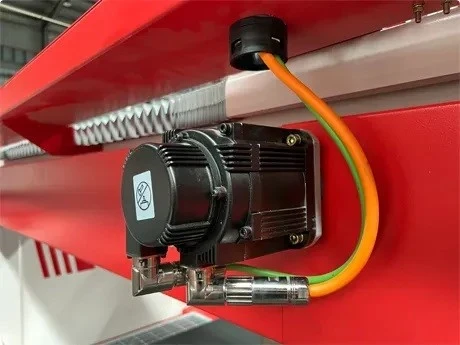
A full servo closed-loop positioning system controls the feed movement more precisely, helping reduce thickness variations that can increase polishing requirements, material waste, and downstream processing costs. The HLQY-2500 product specifications list a slab thickness tolerance of ≤ ±0.3 mm, although actual results depend on stone characteristics, blade condition, machine setup, and operating conditions.
Variable-Frequency Drive for Energy Efficiency
A permanent-magnet variable-frequency motor can adjust operating parameters to match cutting loads, potentially reducing unnecessary power consumption and abnormal blade wear when processing materials with different hardness levels. The manufacturer cites energy savings of approximately 28%–38% compared with conventional induction motor systems, but buyers should verify the comparison baseline and request operating data for their intended stone materials before estimating savings.
AI CNC Control for Continuous Production
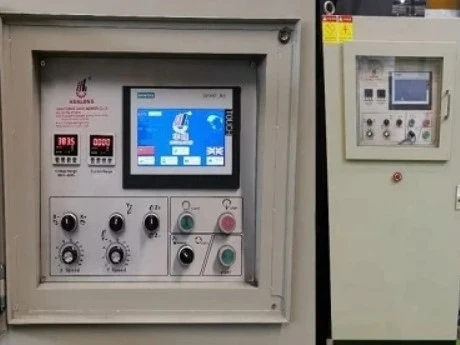
AI-assisted CNC control can adjust cutting parameters according to monitored operating conditions, reduce routine manual intervention, and support extended production runs after operators configure and verify the required settings. However, automated operation does not eliminate the need for safety systems, routine inspections, blade maintenance, and appropriate supervision, especially during overnight production.
How Beam Length and Workshop Layout Affect Productivity
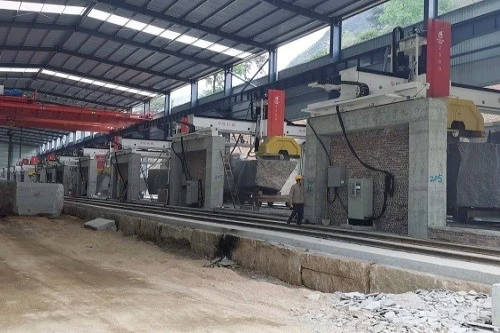
Beam length influences how many stone blocks can be arranged for processing and how frequently the production line must pause for loading, so buyers should evaluate the entire material-handling workflow rather than machine capacity alone.
7 m Beam for Small & Medium-Sized Factories
A 7 m beam configuration is described as accommodating approximately 6–8 stone blocks, making it worth considering for factories with moderate production requirements, limited workshop space, or established loading arrangements that do not justify a longer machine.
10 m Extended Beam for High-Volume Production
A 10 m extended beam is described as accommodating approximately 10–15 blocks, which can support longer production runs and reduce loading interruptions when forklift access, block positioning, and material staging are properly organized. Before choosing this configuration, confirm the available workshop footprint, foundation requirements, electrical supply, cooling-water system, slurry removal arrangements, and clearance for moving stone blocks safely.
How to Choose the Right Stone Block Cutting Machine
Before investing in new equipment, evaluate your actual order profile, material characteristics, operating expenses, and factory infrastructure against the following purchasing criteria.
Order Mix
If most orders involve standard 20 mm or 30 mm slabs for flooring, countertops, or building facades, a multi blade machine may offer better production efficiency, whereas customized dimensions and frequent thickness changes may favor a single blade machine or a combination of both.
01
Stone Type
Granite, quartzite, and marble differ in hardness, abrasiveness, and cutting behavior, so confirm that the proposed blade configuration, motor capacity, feed rate, and cooling system suit the materials you process.
02
Daily Output
Calculate the required output from confirmed orders, available production hours, planned slab thicknesses, and expected downtime instead of relying exclusively on advertised maximum capacity.
03
Operating Cost
Compare electricity consumption, blade replacement, labor, maintenance, material waste, and downstream polishing costs to understand the cost per square meter of saleable slabs.
04
Factory Readiness
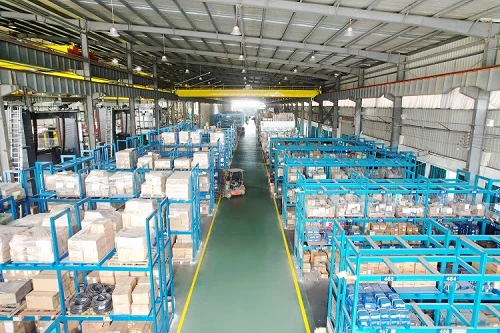
Verify workshop dimensions, block-loading access, foundation capacity, electrical requirements, water circulation, waste removal, and connections to downstream processing equipment before confirming the machine configuration.
05
Why Supplier Support Matters Beyond Machine Specifications
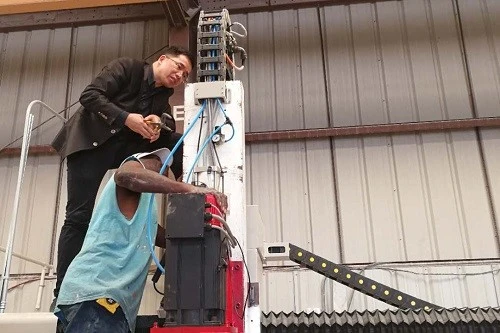
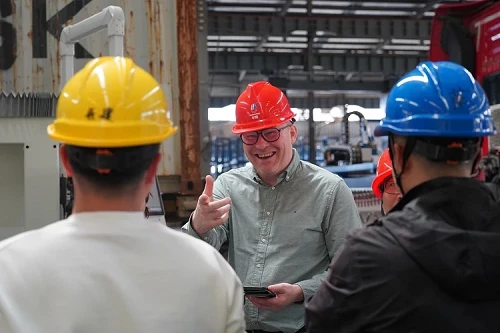
A stone cutting machine is a long-term production asset, so the purchase decision should include installation, commissioning, operator training, spare parts availability, troubleshooting support, and the supplier`s ability to help maintain consistent production performance. Buyers should also verify applicable certifications, warranty coverage, remote diagnostic capabilities, and the response arrangements available if the machine experiences an unexpected shutdown.
Hualong brings 35 years of manufacturing experience and offers machine-related support options that include installation guidance, operator training, and optional IoT-based remote diagnostics, subject to confirmation of the specific service package. Before placing an order, request written confirmation of the machine configuration, acceptance criteria, service scope, spare parts arrangements, and support coverage for your destination market.
Conclusion
A single blade block cutter remains a practical option for specialized cutting and varied production requirements, while a multi blade stone cutting machine can be a stronger investment for factories processing high volumes of standardized slabs. The right decision depends on whether the machine`s achievable output, thickness consistency, energy consumption, and operating costs align with your orders and workshop conditions. Send your stone type, typical block dimensions, target slab thickness, and required daily output to request a tailored production line configuration and an investment return assessment.
Get Your Stone Block Cutter Selection Recommendation
FAQs
Q: Is a Multi Blade Stone Cutting Machine Better for Granite Production?
A: A multi blade machine can improve throughput for high-volume granite processing, provided its motor power, blade configuration, cooling system, and feed rate match the stone`s hardness and cutting requirements.
Q: Can a Multi Blade Block Cutter Produce Consistent Slab Thickness?
A: A multi blade block cutter with precise servo feed control can improve slab thickness consistency, but actual tolerance depends on machine calibration, blade condition, material properties, and operating parameters.
Q: What Information Is Needed to Select a Stone Block Cutting Machine?
A: Prepare your stone type, typical block dimensions, target slab thickness, required daily output, workshop layout, and available power supply so the equipment supplier can recommend a suitable configuration.