Introduction
Stone processing factories often struggle with low production efficiency, inconsistent slab thickness, material waste, and rising labor and electricity costs. A high-quality multi blade stone cutting machine can improve batch processing efficiency by cutting multiple slabs simultaneously from granite, marble, and other suitable stone blocks. Before placing an order, buyers should ask manufacturers about five critical areas to verify machine suitability, operating costs, quality standards, and long-term purchasing security.

1.Production Capacity and Specifications: Can the Machine Handle Your Blocks and Output Targets?
Before comparing quotations, confirm that the machine's working dimensions, blade configuration, and cutting height match your raw block sizes and production targets.
1.1 What Is the Maximum Block Size, and Can It Be Customized?
Ask whether the machine can accommodate blocks measuring 2000 mm wide × 3500 mm long or larger, and confirm any customization requirements, additional costs, and delivery implications.
1.2 How Many Blades Can the Machine Accommodate?
Confirm whether the machine uses a combination saw or tower saw configuration, whether it supports up to 18 blades simultaneously, and whether it can consistently produce 17 mm, 20 mm, and 30 mm slabs with the proposed blade arrangement.
1.3 What Cutting Height Can the Machine Achieve?
Verify whether the selected model can process blocks to achieve the required slab height of 1.1–1.4 m, and ask whether a higher cutting capacity requires structural modifications or a customized machine.
2.Core Components and Cutting Accuracy: How Will the Machine Perform Over Time?
The control system, guide rails, and machine frame influence operating convenience, cutting consistency, and the machine's ability to maintain performance during extended production shifts.
2.1 Which Control System Does the Machine Use?
Ask whether the machine uses a Siemens PLC control system and whether operators can easily adjust blade spacing, cutting depth, and operating parameters without extensive training.
2.2 How Do the Guide Rails and Machine Frame Maintain Accuracy?
Confirm whether the machine uses Hiwin linear guides and a heavy-duty reinforced steel structure, then request documented accuracy tolerances and cutting samples to evaluate vibration control, slab consistency, and potential secondary processing costs.
3.ROI and Operating Costs: How Much Can the Machine Save?
A reliable investment assessment should compare actual production output and operating expenses rather than relying solely on the machine's purchase price.
3.1 How Much Can a Multi Blade Machine Reduce Operating Costs?
Request comparative data on electricity consumption, blade wear, labor requirements, and qualified output per shift under equivalent stone types and slab thicknesses to estimate potential savings against single-blade cutting.
3.2 Can the Machine Match Your Local Voltage and Frequency?
Provide your factory's electrical specifications and confirm the required voltage, frequency, phase configuration, and installed power before ordering to avoid unexpected modification costs or commissioning delays.
4.Warranty and International After-Sales Service: Who Will Support Your Factory?
Overseas buyers should clarify warranty coverage, replacement-part responsibilities, and technical support arrangements before committing to equipment that may be difficult to service locally.
4.1 What Does the Warranty Cover, and Who Pays for Replacement Parts?
Ask whether the manufacturer offers a 12-month warranty, when coverage begins, which failures qualify for free replacement parts, and whether international shipping costs are covered for non-user-caused defects.
4.2 What Installation and Maintenance Support Is Available Overseas?
Confirm whether the supplier provides installation guidance, technical manuals, remote video commissioning, lifetime technical support, spare parts, and a defined response process for equipment failures.
5.Manufacturer Credentials and Pre-Shipment Verification: How Can You Reduce Purchasing Risk?
Before finalizing an order, verify the manufacturer's experience, relevant certifications, production capabilities, and inspection procedures to ensure that the delivered machine meets the agreed specifications.
5.1 Can You Verify the Manufacturer's Experience and Certifications?
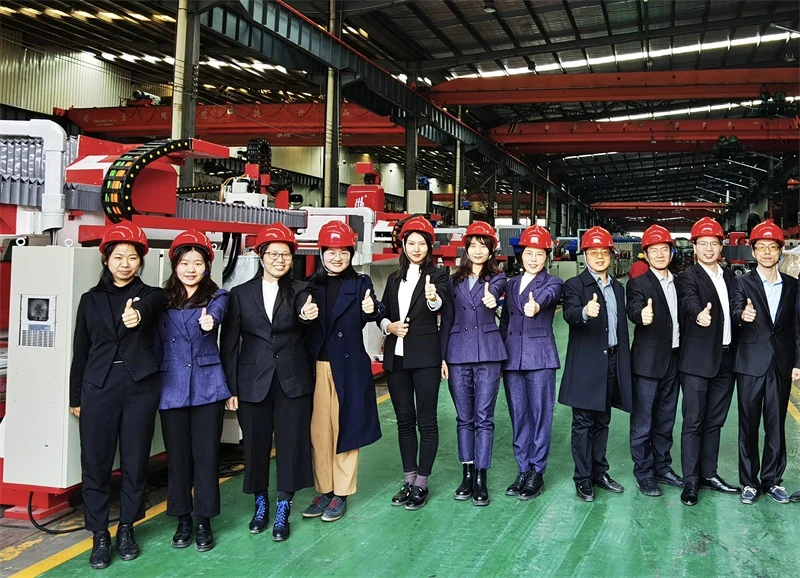
Request verifiable evidence of manufacturing experience, export history, applicable CE documentation, and valid ISO certificates, and independently check any claims about decades of experience or exports to more than 100 countries.
5.2 Can You Inspect the Machine Before Shipment?
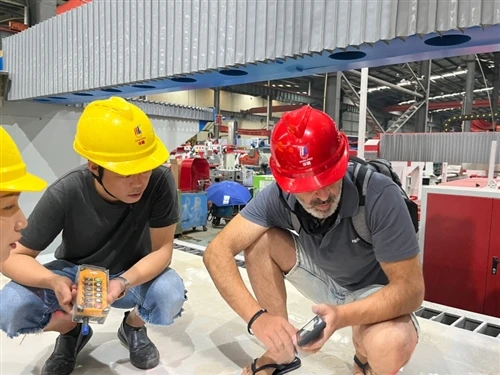
Confirm whether you can arrange a factory inspection and test cutting, review the machine's key specifications and safety features, and agree on acceptance criteria and corrective procedures before shipment. In addition, buyers should verify the exact specifications of the model under consideration.
A qualified supplier should be able to provide a model-specific technical specification sheet, relevant certification documents, and verifiable test results rather than relying on general performance claims. Buyers should also obtain written confirmation of warranty responsibilities, electrical compatibility, installation support, and pre-shipment acceptance requirements before making the final payment.