Introduction
Cutting quartz blocks into slabs requires careful control of cutting forces, blade movement, and material removal, particularly when processing abrasive engineered quartz or hard natural quartzite. Excessive vibration, blade deflection, and inconsistent feed can cause thickness variation, surface waviness, and edge chipping, increasing material waste and downstream polishing costs. Choosing a suitable quartz block cutting machine therefore requires a coordinated approach to frame rigidity, guide systems, feed control, blade configuration, and cooling rather than relying on motor power alone.
Find Your Quartz Block Cutting Machine
Key Technical Factors for Stable Quartz Slab Cutting
Stable slab production depends on the machine's structural strength, movement accuracy, and ability to maintain consistent cutting conditions throughout each pass.
-
Frame Rigidity & Vibration Control
A rigid machine frame helps resist cutting forces and reduces unwanted movement, allowing large-diameter blades to follow a more consistent path through hard stone while supporting better slab thickness consistency.
-
Hiwin Linear Guides & Consistent Machine Movement
Hiwin linear guides combined with an oil-bath design support smooth, lubricated machine movement, helping maintain the stability of the cutting mechanism while reducing the risk that guide wear and inadequate lubrication will compromise positioning accuracy over time.
-
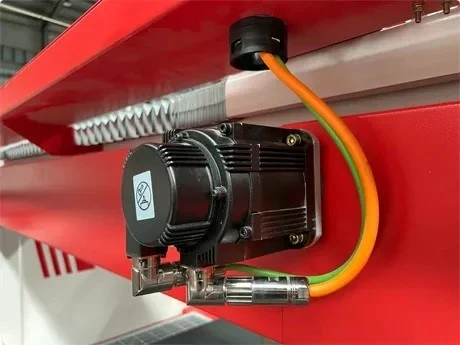
Siemens PLC & Controlled Cutting Operations
A Siemens PLC control system allows operators to manage cutting sequences and operating parameters more consistently, while appropriate feed rates and cutting settings help limit sudden changes in cutting resistance that may contribute to blade deflection or surface defects.
Blade Configuration, Cooling & Cutting Parameters
Even a well-built machine can produce inconsistent slabs if the blade arrangement, cutting parameters, and cooling conditions do not match the material and production requirements.
Match Blade Configuration to Block Size & Production Targets
Blade Quantity & Spacing
A multi-blade block cutting machine can produce several slabs in one cutting cycle, and the blade quantity and spacing should match the block dimensions, target slab thickness, and required production volume.
Blade Condition & Tension
Suitable blade specifications, correct installation, appropriate tension, and timely replacement of worn blades help maintain cutting stability and reduce the risk of uneven slab thickness.
Material-Specific Cutting Parameters
Engineered quartz and natural quartzite can respond differently to cutting forces, so operators should establish suitable feed rates and blade configurations through material-specific testing rather than applying identical settings to every block.

Maintain Proper Cooling & Slurry Removal
Continuous Water Supply
Adequate cooling water helps dissipate heat around the cutting zone and supports stable blade operation during prolonged cutting cycles.
Effective Slurry Removal
Removing accumulated stone particles and slurry from the cutting area helps prevent debris from interfering with cutting operations and reduces avoidable wear on machine components.
Consistent Cooling Conditions
Operators should check water flow, nozzle positioning, drainage, and slurry-handling capacity to ensure the cooling system meets the demands of the selected blade configuration and material.

Operating Practices That Protect Cutting Stability
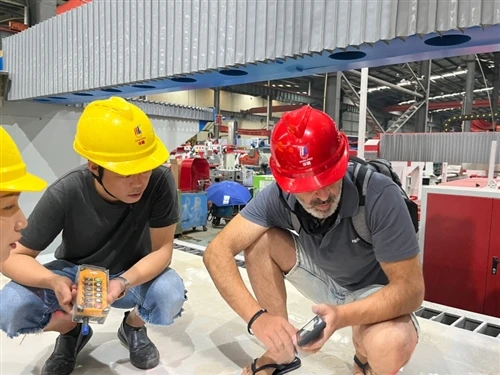
Proper installation, routine inspection, and preventive maintenance help preserve cutting accuracy after the machine enters regular production.
- Prepare the Block & Machine Correctly: Check block dimensions, secure the material firmly, verify machine alignment, and confirm that the cutting settings suit the intended slab thickness.
- Monitor Blade Condition & Cutting Performance: Inspect blade wear, unusual vibration, cutting deviations, and measured slab thickness at appropriate intervals so operators can identify developing problems before they affect an entire batch.
- Follow a Preventive Maintenance Schedule: Maintain guide lubrication, cooling equipment, drainage, and moving components according to the manufacturer's instructions to reduce wear-related accuracy changes and unplanned downtime.

Automation & Safety Control
A cutting trial helps buyers determine whether a quartz block cutting machine can meet actual production requirements before full-scale operation begins.
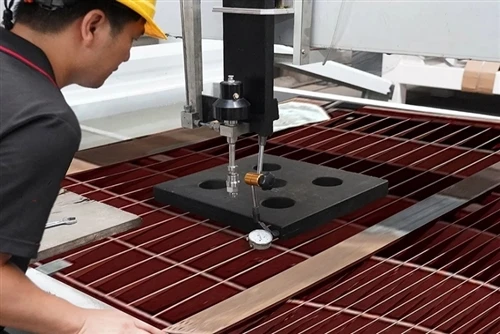
- Measure Thickness Variation: Measure slab thickness at multiple positions to identify uneven cutting results across the slab.
- Inspect Surface & Edges: Check for visible waviness, chipping, and other defects that may increase finishing work.
- Record Production Results: Document cutting time, blade specifications, operating settings, and material characteristics to establish a reliable baseline for future production.
Comparing these results with agreed acceptance criteria gives buyers a practical basis for equipment approval and helps reduce uncertainty when scaling up quartz slab production.

Choosing a Quartz Block Cutting Machine for Production Needs
Selecting the right quartz block cutting machine requires buyers to evaluate material compatibility, production capacity, and long-term operating requirements together rather than comparing equipment by price or nominal cutting dimensions alone.
Material & Block Compatibility
Confirm that the machine can accommodate the intended quartz material, maximum block dimensions, and target slab thickness, and request a cutting test when the material's composition or abrasiveness creates uncertainty.
Cutting Capacity & Blade Configuration
Compare the available cutting dimensions, blade arrangement, and expected output against actual production requirements to determine whether the machine can support the factory's planned workload.
Control & Maintenance Requirements
Evaluate the PLC operating system, guide lubrication requirements, cooling arrangements, and availability of technical support to understand the maintenance resources needed for stable production.
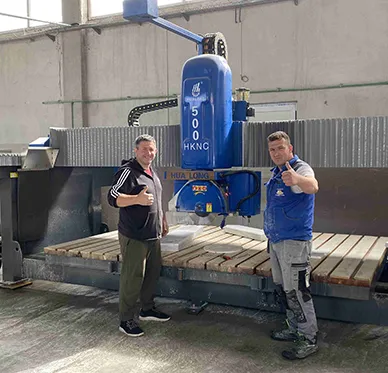
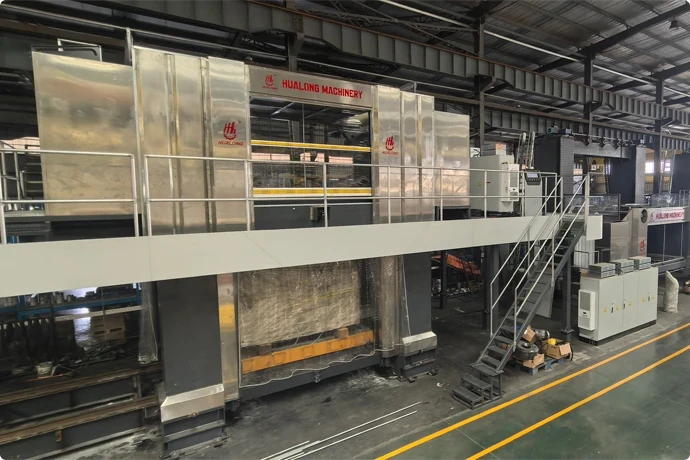
Hualong offers the HLQH-2500 multi-blade stone cutting machine, with published specifications including Siemens PLC control, Hiwin linear guides with an oil-bath design, a 3,500 mm cutting length, and a 2,000 mm cutting width. These features provide a practical starting point for evaluating equipment for quartz block processing, while buyers should confirm the proposed blade configuration, material-specific cutting performance, and achievable slab thickness consistency with the supplier before ordering.
Conclusion
Stable quartz slab cutting depends on the combined performance of the machine frame, linear guide system, control settings, blade configuration, and cooling arrangements. By matching these factors to the material characteristics and production targets, stone processors can better manage thickness variation, reduce avoidable rework, and maintain consistent manufacturing quality. Contact our team with your quartz material type, block dimensions, target slab thickness, and production requirements to discuss a suitable cutting machine configuration and request a quotation.
Explore a Suitable Cutting Machine Configuration
FAQ
Q: Can a Multi-Blade Block Cutting Machine Process Both Quartzite and Engineered Quartz?
A: Yes, provided the machine, blades, and cutting parameters are suitable for each material, with compatibility verified through appropriate cutting tests.
Q: How Can Buyers Verify Whether a Quartz Block Cutting Machine Meets Their Slab Thickness Requirements?
A: Request a test using representative material and evaluate measured slab thickness variation, surface condition, and cutting output under documented operating conditions.