Introduction
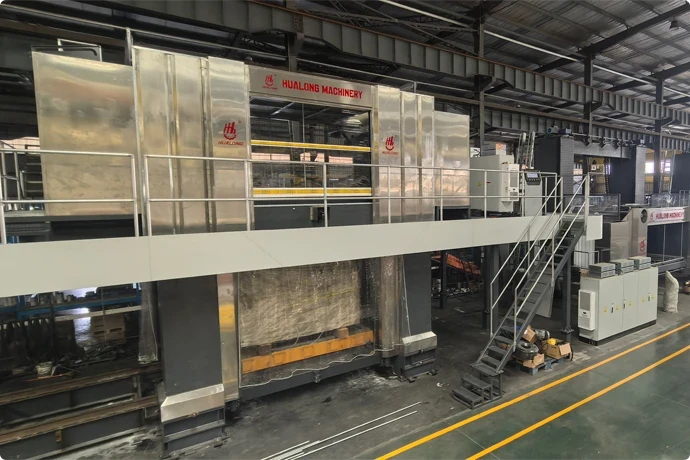
In block-to-slab production, a multi blade stone cutting machine must withstand continuous cutting forces when processing hard materials such as granite, basalt, and quartzite. As multiple diamond blades operate simultaneously, the rigidity of the machine frame, the stability of the spindle, and the accuracy of the feeding mechanism all influence cutting consistency and equipment performance. Machine structure is therefore more than a load-bearing framework; it provides the mechanical foundation that allows the drive system, feeding controls, and automation technology to work together reliably.
How Machine Structure Influences Multi Blade Cutting Performance
A well-designed machine structure helps control vibration, maintain cutting alignment, and support consistent operation under demanding production conditions.


Heavy-Duty Bridge Structure & Cutting Stability
A reinforced bridge structure supports the blade assembly and cutting loads while helping limit deflection and vibration, which becomes increasingly important as the number of blades and the total cutting load increase. Configurations with 16 or 26 blades and beam lengths of 7 or 10 meters require buyers to evaluate structural rigidity, loading arrangements, and working dimensions together rather than assuming that a larger machine automatically delivers better cutting performance. When processing hard stone, excessive vibration or spindle deflection can affect slab thickness consistency, accelerate blade wear, and increase the likelihood of corrective work, making structural stability a practical production consideration rather than simply a design specification.
Full Servo Feeding & Slab Thickness Consistency
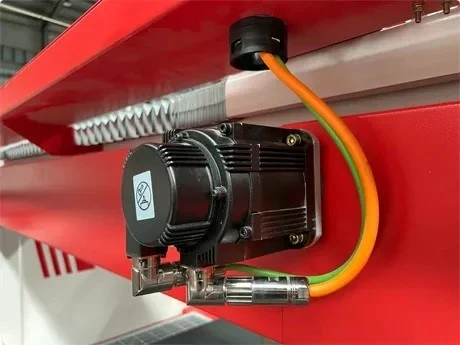
A full servo feeding system uses feedback-based position control to regulate feeding movements, while rigid support structures and accurate guides help maintain consistent blade travel through the stone. When the machine frame, guide system, and feeding mechanism work together, the equipment can better control thickness variation and reduce the risk of uneven slabs, including the bulging or wavy surfaces that create problems during subsequent processing. The thickness tolerance of ±0.3 mm should be evaluated against the manufacturer's specified operating conditions, stone types, slab dimensions, and measurement methods rather than treated as a universal result for every cutting application.
Permanent Magnet Variable-Frequency Motor & Spindle Support
A permanent magnet variable-frequency motor can adjust rotational speed to suit different cutting requirements, but its performance depends on appropriate spindle support, transmission design, and operating parameters. When buyers evaluate this configuration, they should confirm that the spindle assembly can accommodate the required torque and cutting loads without excessive vibration or deflection. Although a variable-frequency drive can help optimize energy consumption, the energy savings of 28%–38% should be verified against a clearly defined baseline, comparable production conditions, and measured power consumption before being included in an investment calculation.
AI CNC Control & Automated Production
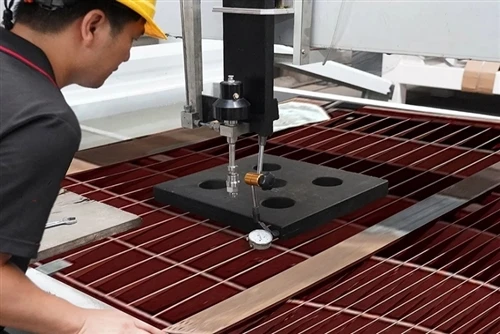
An intelligent CNC control system can coordinate feeding movements, cutting sequences, and machine operations, while suitable sensors may help identify changes in motor load or cutting resistance. When the control system detects abnormal operating conditions, programmed adjustments to feeding speed can help manage the load, provided the machine supports the required monitoring and control functions. However, automation cannot compensate for an inadequately rigid frame, and continuous production also depends on cooling performance, waste removal, fault protection, and safe material handling rather than on the control system alone.
 Energy-Saving Overall Power System
 AI Intelligent Control System
How Better Structure Creates Measurable Production Value
The commercial value of machine structure becomes clearer when buyers assess how mechanical stability affects output, blade consumption, downstream processing, and equipment availability.
Daily Productivity & Blade Consumption
Reference output figures of 450–500 m² per day for 16-blade configurations and 500–600 m² for 26-blade configurations should be checked against actual stone hardness, slab thickness, operating hours, and loading efficiency, while stable cutting conditions can help reduce avoidable blade wear.
Slab Consistency & Secondary Processing
More consistent slab thickness can reduce corrective work during calibration and polishing, although the actual savings depend on the factory's finishing equipment, existing process capability, and finished-product tolerances.
Maintenance & Equipment Utilization
A rigid frame, properly maintained guides, effective cooling, and reliable slurry removal can help reduce wear-related interruptions, but long-term performance also depends on corrosion protection, cleaning practices, maintenance access, and the quality of manufacturing and assembly.
How to Evaluate Machine Structure Before Buying
Buyers should evaluate machine structure against their production targets, stone characteristics, factory layout, and maintenance capabilities rather than selecting equipment solely by blade count or headline output.
Match Beam Length to Production Layout
A 7-meter or 10-meter beam should be selected according to block dimensions, loading arrangements, available floor space, and target throughput, with the proposed capacity of six to eight blocks or ten to fifteen blocks per cycle verified against the actual block layout and machine specifications.
Match the Drive System to Stone Hardness
When processing hard basalt or quartzite, buyers should ask the supplier to assess motor power, spindle capacity, blade specifications, and suitable cutting parameters for the intended material instead of assuming that a higher-powered motor alone guarantees better results.
Check Auxiliary Systems and Maintenance Access
Buyers should confirm whether cooling sprays, automatic slurry or waste discharge, block-handling equipment, and slab unloading systems fit their production workflow, and they should inspect how easily operators can clean the machine, access wear components, and perform routine maintenance.
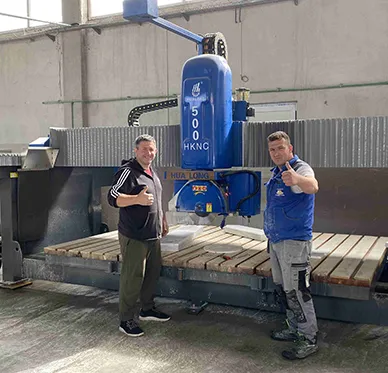
Hualong's multi blade stone cutting machine offering provides a starting point for discussing bridge configurations, blade arrangements, feeding systems, and production requirements with the manufacturer. Buyers should request a configuration review based on their stone samples, block dimensions, target slab thickness, daily output, and factory layout, together with documented performance conditions and maintenance requirements for the proposed equipment.

 Project Evaluation
 On-Site Installation Commissioning
 Technical Guide Training
Conclusion
Machine structure is a fundamental factor in multi blade stone cutting because it supports the stability, alignment, and controlled movement required for consistent production. When the bridge frame, spindle assembly, servo feeding system, and intelligent controls are properly matched, manufacturers can better manage cutting variation, operating efficiency, and maintenance demands. Contact the supplier with your stone type, block dimensions, target slab thickness, required daily output, and factory layout to discuss a suitable multi blade stone cutting machine configuration for your production line.
Evaluate Your Suitable Machine Structure