Introduction
Choosing the right equipment for stone block to slab production directly affects cutting capacity, slab quality, material yield, and operating costs. When comparing a multi blade stone cutting machine vs gang saw, stone processors need to look beyond machine size and rated output to understand how each system performs under their actual production conditions. This guide compares cutting performance, operating expenses, automation, and factory requirements to help buyers select equipment that matches their stone types, order volumes, and long-term production goals.
How Multi Blade Stone Cutting Machines and Gang Saws Work
Although both machines convert stone blocks into slabs, they use different cutting mechanisms that influence production planning and equipment selection.
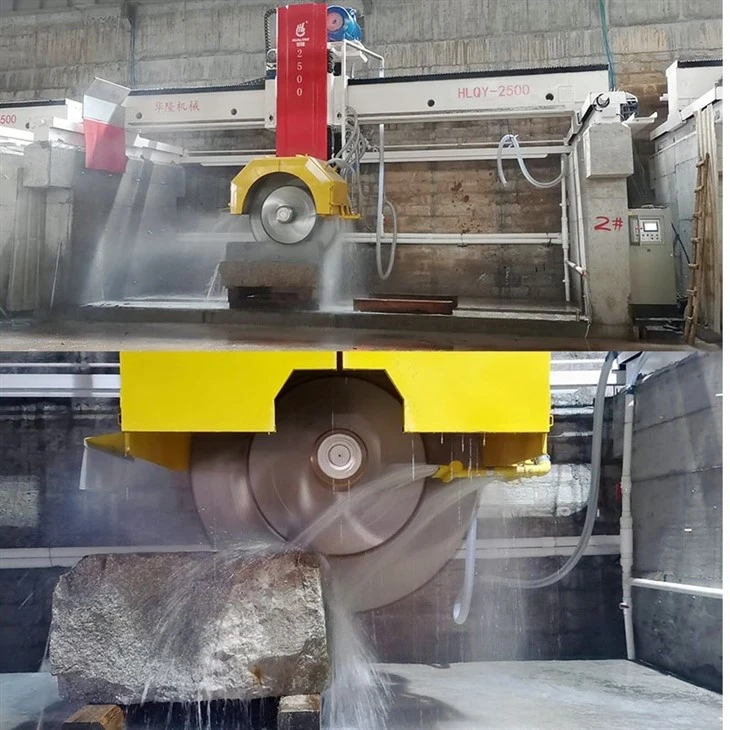
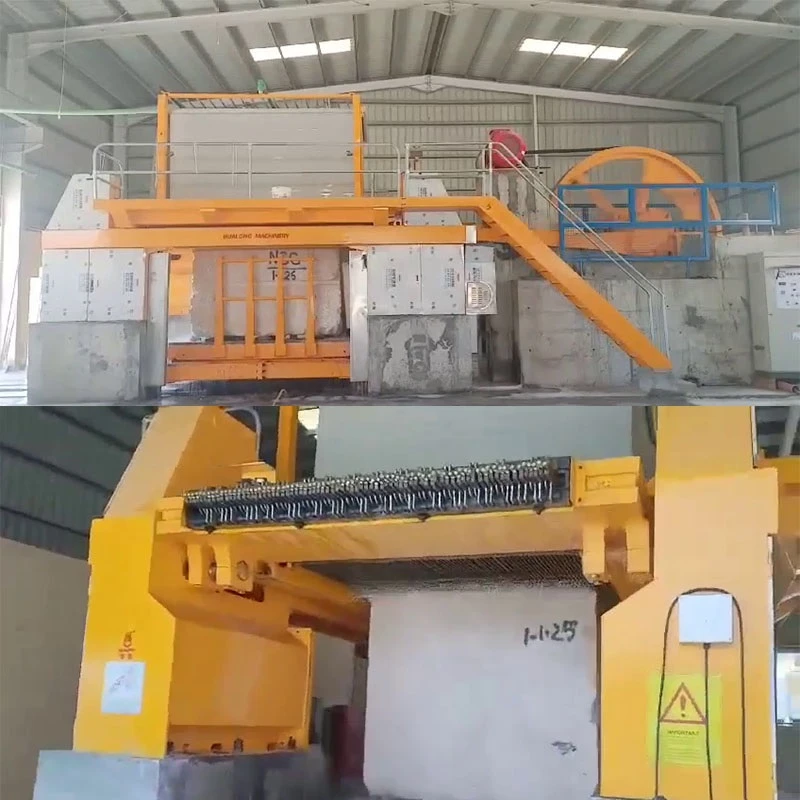
Multi Blade Stone Cutting Machine
A multi blade stone cutting machine uses multiple diamond circular blades and a controlled feeding system to cut stone blocks into slabs, with cutting capacity depending on blade configuration and machine specifications.
Gang Saw Machine
A gang saw uses multiple blades or saw blades mounted in a reciprocating frame to cut large stone blocks into multiple slabs during the same cutting cycle.
The circular-blade system and reciprocating-frame system have different operating characteristics, so buyers should compare usable output, cutting accuracy, material compatibility, and production requirements rather than blade count alone.
Production Capacity & Slab Quality: Which Machine Performs Better
Production capacity and slab quality should be evaluated together because higher throughput only creates value when the machine consistently produces saleable slabs.
|
Comparison Factor |
Multi Blade Stone Cutting Machine |
Gang Saw |
|
Cutting Mechanism |
Multiple diamond circular blades |
Multiple blades mounted in a reciprocating frame |
|
Blade Configuration |
HLQY-2500 offers 16- and 26-blade configurations |
80-blade, 100-blade, or customized configurations |
|
Listed Block Capacity |
Depends on machine configuration |
Up to 3,200 × 2,500 × 2,000 mm |
|
Blade Specification |
Depends on the selected model and blade setup |
Blade length: 4,400 mm |
|
Slab Thickness Related |
HLQY-2500 specifies thickness tolerance of ≤ ±0.3 mm |
Minimum slab thickness: 16 mm; confirm achievable tolerance for the selected setup |
*These specifications indicate different production priorities rather than a universal performance winner. Buyers should compare both machines using the same stone type, block dimensions, target slab thickness, operating hours, and finished-slab acceptance criteria before evaluating usable output and cutting accuracy.
The HLQY-2500 multi blade stone cutting machine supports daily outputs of 450–500 m² for its 16-blade configuration and 500–600 m² for its 26-blade configuration, with actual production varying according to stone hardness, block dimensions, and slab thickness.
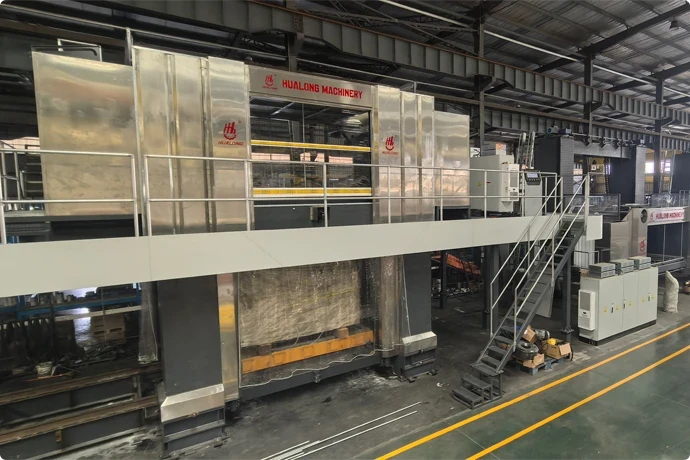
By comparison, the HLKJ-100/S800 gang saw uses a double-crank, double-connecting-rod structure and a hydrostatic circular guide to support stable reciprocating movement and marble slab production.
Operating Costs: Energy, Blade Wear & Material Yield
A realistic cost comparison should measure the cost per square meter of saleable slabs rather than relying on purchase price or motor power alone.
Energy Consumption
The multi blade machine's manufacturer claims a 28%–38% energy reduction from its permanent-magnet variable-frequency motor compared with conventional induction motors; this is not a direct comparison with a gang saw.
Blade Wear & Maintenance
The gang saw's variable-frequency lifting and feeding system and mechanical anti-impact protection are relevant to feed stability and abnormal-load protection, although their actual effect on blade life requires operating data.
Material Yield & Rework
Both systems should be evaluated by kerf loss, slab thickness variation, edge damage, and the quantity of saleable material recovered from each block.
Before making an investment decision, compare electricity consumption, blade costs, labor, maintenance, and rejected material over a representative production period to estimate the actual operating cost per square meter.
Automation, Factory Layout & Production Flexibility
The best machine must fit the factory's production workflow, material-handling capacity, and available infrastructure as well as its target output.
Automation & Monitoring
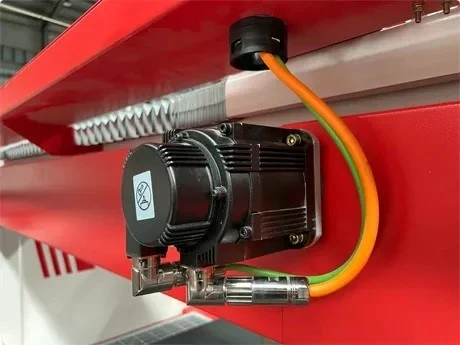
The multi blade machine offers CNC control, servo feeding, and optional 7 m or 10 m beams with the longer configuration accommodating approximately 10–15 blocks per load, while the gang saw's HMI supports operational monitoring and fault alerts.
Workshop Requirements
Buyers should evaluate machine footprint, foundation requirements, block-handling equipment, lifting systems, maintenance access, and downstream polishing capacity.
Production Scheduling
Multi-blade configurations and gang-saw blade arrangements should be assessed against actual order variation, setup time, and the factory's ability to keep the cutting line supplied with blocks.
Which Machine Should Your Stone Factory Choose
The right stone slab production machine depends on your stone materials, order patterns, required output, and existing factory infrastructure rather than a universal ranking of the two technologies.
Scenario A: Flexible Production Across Multiple Stone Types
Factories processing granite, basalt, quartzite, and other materials across changing orders should evaluate a bridge-type multi blade cutter for its configurable blade arrangements and automated feeding, while verifying cutting performance with their actual stone samples.
Scenario B: High-Volume Marble Slab Production
Plants processing large marble blocks in recurring batches should consider a heavy-duty gang saw when its block capacity, blade configuration, and production cycle align with their required slab dimensions and daily output.
Scenario C: Existing Factory Expansion
Manufacturers upgrading an existing line should compare usable additional capacity, block-handling equipment, installation requirements, available floor space, and downstream polishing capacity before choosing either machine.
For buyers evaluating these applications, Hualong offers both the HLQY-2500 multi blade stone cutting machine and the HLKJ-100/S800 gang saw, allowing production requirements to be assessed against 2 distinct cutting systems. Its engineering support includes equipment configuration recommendations based on stone material, block dimensions, target slab thickness, and expected output, helping buyers plan a more suitable production setup.


Conclusion
A multi blade stone cutting machine can be a strong choice for factories prioritizing configurable cutting and automated feeding, while a gang saw can suit large-scale marble slab production involving substantial blocks and recurring batches. The better investment depends on actual cutting performance, slab thickness consistency, material yield, operating costs, and compatibility with the factory's production workflow. Contact a qualified stone machinery manufacturer with your stone type, block dimensions, target slab thickness, expected daily output, and workshop layout to obtain a configuration recommendation for your production needs.
Request for Your Stone Machine Selection
FAQ
Q: How Should Buyers Compare the Actual Output of a Multi Blade Cutter and a Gang Saw?
A: Compare both machines using the same stone type, block dimensions, target slab thickness, operating hours, and finished-slab quality standards, then calculate saleable square meters per shift.
Q: What Information Is Needed to Size a Stone Block Cutting Machine?
A: Provide the stone material, block length, width and height, target slab thickness, daily production target, available power supply, and factory layout.
Q: Can One Machine Handle Both Standard Slabs and Changing Production Orders?
A: Both systems may support different production requirements, but material compatibility, blade configuration, adjustment time, and sample-cutting results should be verified before purchase.