

Introduction
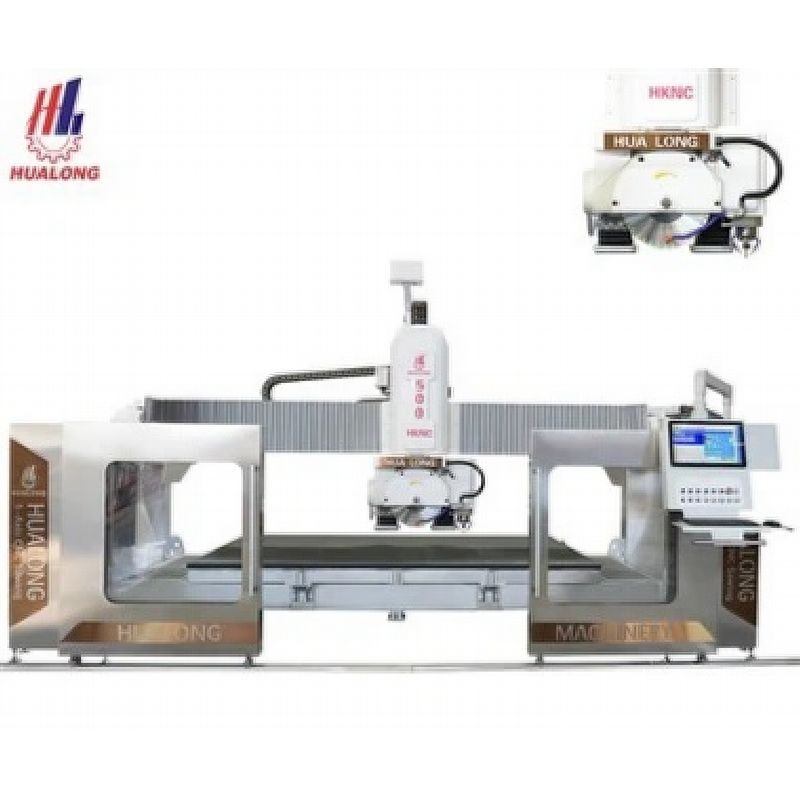
As a slab cutting machine used in stone fabrication, a bridge saw machine is often evaluated through the design of its core components rather than cutting output alone. Understanding these components helps professional buyers better judge stability, control accuracy, and long-term processing fit.

Why Understanding Bridge Saw Machine Components Matters
Bridge saw machine components matter because they shape how the machine moves, cuts, and performs in daily stone processing. For professional buyers, component design offers a clearer way to understand equipment value beyond basic model descriptions.
- Understanding Cutting Stability: Structural parts such as the gantry, rails, and machine frame support stable movement and cutting consistency, helping buyers see how the machine maintains reliable performance during slab processing.
- Evaluating Motion and Control Quality: Power, drive, and control-related components influence how smoothly and accurately the machine follows cutting paths, which is especially important for precise stone fabrication tasks.
- Seeing Long-Term Workflow Value: Support systems such as lubrication, cooling, and positioning functions help the machine work more efficiently within daily production, making component understanding useful for long-term equipment planning.
Core Structural Components of a Bridge Saw Machine
The bridge saw machine's performance starts with its structural design. Core structural components support movement stability, slab positioning, and cutting consistency, which makes them an important part of how the machine fits professional stone fabrication work.
Gantry and Linear Rails
The gantry and linear rails guide the cutting head across the slab with stable, controlled movement. Their structural rigidity and motion accuracy help support straighter cuts and more consistent performance in daily slab processing.
Thick Steel Structure
A thick steel structure gives the machine a stronger and more stable foundation during cutting. This supports long-term operating consistency and helps the machine handle demanding stone processing tasks with greater structural confidence.
Rotating or Fixed Worktable
The worktable supports slab placement and influences how flexibly the machine fits different cutting tasks. Whether rotating or fixed, it helps organize material positioning and improves workflow suitability for different stone fabrication needs.
Core Power and Cutting Systems
Core power and cutting systems are the parts that directly support cutting output and processing capability in a bridge saw machine. They help the machine translate structural stability and control logic into actual slab cutting performance across different stone fabrication tasks.
Spindle and Motor System
The spindle and motor system provides the cutting power needed for stone slab processing. Its performance affects how steadily the blade runs and how smoothly the machine handles different cutting tasks in daily fabrication work.
45° Miter Cutting System
The 45° miter cutting system supports angle-based cutting preparation, helping fabricators produce cleaner edge transitions and more refined slab preparation for projects that require mitered stone applications.
Water Cooling and Dust Control
Water cooling and dust control support a cleaner and more continuous cutting process by helping manage heat, blade conditions, and the working environment during regular stone fabrication operations.
Core Control and Support Systems
Core control and support systems help bridge saws operate with better accuracy, smoother coordination, and more practical day-to-day usability. These systems support cutting logic, movement control, positioning efficiency, and running continuity across different stone fabrication tasks.
CNC Control System and CAD/ CAM Integration
The CNC control system manages cutting paths, motion control, and operating logic, while CAD/ CAM integration helps translate design layouts into more accurate and organized cutting execution.
Camera Positioning
Camera positioning supports clearer slab alignment and layout recognition, helping operators position cuts more efficiently and improve consistency in daily stone processing tasks.
Automatic Lubrication System
The automatic lubrication system helps key moving parts stay in a smoother working condition, supporting more stable machine operation and more practical long-term maintenance performance.
How These Components Work Together in Stone Fabrication
In stone fabrication, these components work as one coordinated system rather than as separate parts. The machine structure supports stable movement, the gantry and rails guide cutting travel, the spindle and motor deliver cutting power, and the 45° miter cutting system expands cutting flexibility for more refined edge preparation. At the same time, the CNC control system manages path accuracy and operating logic, while camera positioning, lubrication, and cooling functions help maintain smoother cutting continuity across daily processing tasks.
How Component Design Can Influence Cutting Quality
Component design influences cutting quality by supporting stability, control, and consistency throughout the cutting process. When key systems work in coordination, bridge saw machines are better positioned to deliver cleaner slab cutting and more reliable fabrication results.
|
Component Area |
Quality Influence |
Practical Result |
|
Gantry and Linear Rails |
Supports Stable Movement |
Straighter Cuts |
|
Thick Steel Structure |
Improves Machine Rigidity |
More Consistent Cutting Performance |
|
Spindle and Motor System |
Delivers Steady Cutting Power |
Smoother Slab Cutting |
|
45° Miter Cutting System |
Supports Angle Precision |
Cleaner Edge Preparation |
|
CNC Control and Camera Positioning |
Improves Path and Layout Accuracy |
Better Cut Alignment |
|
Cooling and Lubrication Systems |
Supports Smoother Operating Continuity |
More Stable Daily Workflow |
What Professional Buyers Often Notice in Component Design
Professional buyers often notice component design because it gives a more practical view of machine quality than model names alone. In bridge saw machine evaluation, they usually pay closer attention to the following areas:
- Motion Stability and Frame Strength: Buyers often look at the gantry, rails, and overall machine structure to understand how well the equipment can support stable movement and consistent slab cutting.
- Control System Reliability: The control system is often noticed as a key part of operating accuracy, programming convenience, and smoother coordination across different cutting tasks.
- Material Adaptability and Cutting Flexibility: Buyers also pay attention to whether the component design supports different stone materials and a wider range of cutting requirements in daily fabrication work.
- Maintenance-Friendly Support Systems: Lubrication, cooling, and positioning functions are often valued because they help support smoother operation and more practical long-term equipment use.
Conclusion
Bridge saw machine performance is best understood through the way its structural, cutting, and control systems work together in real stone fabrication. From movement stability to cutting execution and operating coordination, each system contributes to more stable and efficient slab processing. Contact us to find the right bridge saw machine solution for your stone fabrication needs.