Introduction
Many buyers begin by comparing machine specifications, but an effective equipment evaluation starts with production requirements. Defining the stone materials, block dimensions, slab specifications, and expected output before comparing a stone block cutting machine helps narrow down suitable machine configurations and creates a more practical basis for equipment selection.
Why Production Requirements Should Be Defined Before Comparing Machines
Every stone processing project has its own production objectives, so the first step is to understand what the machine will be expected to produce. Factors such as the type of stone, the dimensions of incoming blocks, the target slab thickness, and planned daily output all influence the choice of equipment. Establishing these requirements first makes it much easier to compare different stone block cutting machine configurations based on actual production needs rather than specifications alone.
Which Machine Specifications Matter Most for Stone Block Processing
Machine specifications determine whether a stone block cutting machine can match a workshop's production requirements. Instead of comparing models by overall size or power alone, buyers should focus on the specifications that directly influence block compatibility, slab production, and long-term operating efficiency.
Table: Key Specifications to Evaluate Before Purchasing
|
Machine Specification |
Why It Matters |
Related Production Requirement |
|
Maximum Block Size |
Block Compatibility |
Large Block Processing |
|
Maximum Cutting Thickness |
Slab Flexibility |
Different Slab Specifications |
|
Blade Configuration |
Continuous Production |
Block Slab Production |
|
Feeding System |
Thickness Consistency |
Stable Slab Quality |
|
Production Capacity |
Output Planning |
Daily Production Goals |
The first specification to review is the maximum block size that the machine can accommodate. Different stone block cutting machines are designed for different block dimensions, so this parameter should match the size of the raw blocks entering the production line. Comparing the available block capacity before purchase helps ensure the machine can process existing materials efficiently while supporting future production requirements.
Finished products often require different slab specifications, making maximum cutting thickness another important consideration. Machines designed for block slab production provide different cutting ranges depending on their configuration and intended application. Matching the available cutting thickness with planned product specifications helps create a more flexible production process without changing equipment for different orders.
Blade configuration combines factors such as the number of blades and blade diameter, both of which influence production efficiency. Multi blade stone cutting machines are designed for continuous slab production by processing multiple slabs in a single cutting cycle, while different blade sizes are available to match various machine models and production capacities. Evaluating blade configuration together with production volume provides a practical basis for selecting suitable equipment.
A stable feeding system contributes directly to slab thickness consistency throughout the cutting process. In addition to the feeding mechanism itself, the overall machine structure plays an important role in maintaining stable movement during continuous operation. When these components work together, the machine is better positioned to produce slabs with consistent dimensions across repeated production cycles.
Expected output should always be considered alongside machine specifications. The Stone Block Cutting Machine product range includes different equipment types developed for various production scales, from conventional block cutting to high-efficiency multi blade cutting and multi wire cutting solutions. Comparing production capacity with actual daily processing requirements allows buyers to select equipment that aligns with both current manufacturing plans and future capacity expansion.


Typical Stone Materials Processing: How Granite and Marble Processing Affects Machine Selection
Stone material is one of the most important factors when selecting a stone block cutting machine.
Granite and marble have different production objectives, so buyers should compare
machine capabilities with the material they process most frequently.
Granite Processing
Granite processing typically focuses on stable production, continuous cutting, and efficient handling of large stone blocks. For this type of application, buyers should pay close attention to machine structure, blade configuration, and production capacity, as these specifications directly influence processing efficiency. Excellent multi blade stone cutting machines are designed for continuous block slab production, while its multi wire saw machines provide another solution for granite processing by increasing material utilization and supporting high-efficiency slab production.
Marble Processing
Marble production often places greater emphasis on finished slab specifications and material utilization. Qualified gang saw machines for marble are specifically developed for marble block processing and support the production of slabs in common thicknesses such as 17 mm, 20 mm, and 30 mm. Buyers comparing machines for marble applications should evaluate slab thickness requirements together with production capacity and finished slab quality to select equipment that aligns with their production objectives.
Why Slab Quality Is an Important Purchasing Consideration
Equipment specifications determine production capability, while slab quality determines how well the finished products meet downstream processing requirements. When evaluating a stone block cutting machine, buyers should look beyond output capacity and consider how the machine supports consistent slab production, efficient material utilization, and stable cutting performance throughout the manufacturing process.
Slab Thickness Consistency
Consistent slab thickness begins with stable machine operation. A well-designed feeding system and rigid machine structure help maintain uniform movement during continuous cutting, allowing slabs to be produced to the required specifications. For manufacturers supplying standard slab sizes, thickness consistency also contributes to smoother processing in polishing, edging, and subsequent production stages.
Continuous Cutting Performance
Continuous production is another important factor affecting slab quality. Multi blade stone cutting machines are designed to cut multiple slabs simultaneously, while gang saw machines support high-volume slab production from large marble blocks. Selecting equipment that matches the required production method helps maintain stable output while supporting efficient block slab processing.
Material Utilization
Material utilization directly influences the value obtained from each stone block. Diamond multi wire saw machines and ultra-thin multi wire saw machines are designed to reduce kerf loss through thin diamond wire cutting, allowing more slabs to be produced from the same block. The ultra-thin multi wire solution supports a 15–20% increase in material output while helping achieve a finished product yield of up to 97%, making it well suited for production where efficient stone utilization is a priority.
Finished Slab Quality
Finished slab quality is the result of several machine characteristics working together rather than a single specification. Stable cutting performance, appropriate machine configuration, consistent slab thickness, and efficient material utilization all contribute to producing slabs that are ready for the next stage of stone processing. Comparing these factors alongside machine specifications provides buyers with a more complete basis for equipment evaluation than focusing on production capacity alone.


What Should Buyers Know About Transportation and Installation
Transportation planning, on-site installation, and technical support all influence how quickly new equipment
can be integrated into daily production. Reviewing these service-related factors before purchase
helps buyers prepare for a smoother equipment implementation process.
Machine Transportation
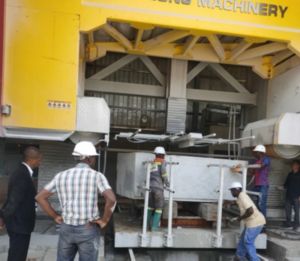
Before placing an order, buyers should confirm the machine's overall dimensions, shipping arrangement, and installation requirements. Stone block cutting machines are available in different configurations and sizes, so transportation planning should be coordinated with the selected model and workshop layout. Understanding these details in advance helps ensure the equipment arrives ready for installation and production.
Equipment Commissioning
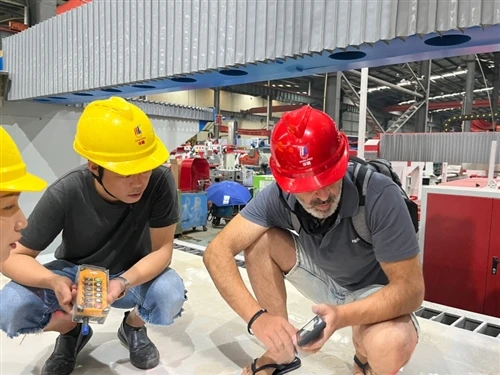
After delivery, proper equipment commissioning is essential for bringing the machine into operation efficiently. Realiable stone block cutting machine suppliers should provide installation guidance and commissioning support are available to help customers complete machine setup and prepare the equipment for production. Operator training also helps production teams become familiar with machine operation and routine maintenance from the beginning.
Technical Support After Installation
Long-term equipment performance is supported by reliable technical service as well as timely access to spare parts when required. Technical support, after-sales service, and replacement parts should be offered for its stone processing equipment, helping customers maintain stable production throughout the machine's operating life. Evaluating these support capabilities together with machine specifications gives buyers a more complete picture when comparing different equipment suppliers.


How to Evaluate a Stone Machinery Manufacturer Before Purchase
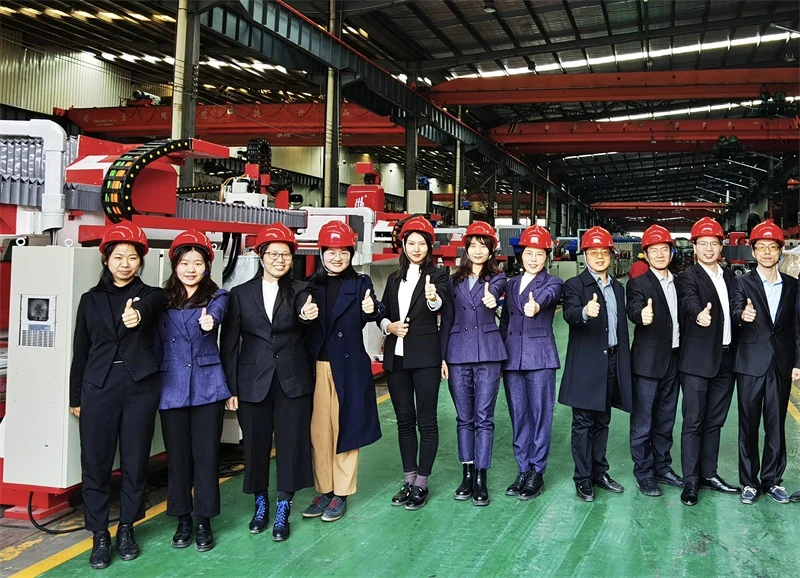
Choosing the right stone block cutting machine also means evaluating the manufacturer behind the equipment. Beyond comparing machine specifications, buyers should review whether the supplier offers a complete product portfolio, application expertise, and long-term technical support for different stone processing requirements.
A manufacturer with multiple cutting technologies, such as Hualong-including gang saw machines, multi blade stone cutting machines, and multi wire saw machines-can provide more suitable recommendations as production needs evolve. It is also worthwhile to compare available machine specifications, application coverage for granite and marble processing, installation support, spare parts availability, and after-sales service before making a final decision.
Reviewing these factors together helps buyers select equipment that not only matches current production requirements but also supports future capacity expansion and changing processing needs.


Conclusion
Selecting a stone block cutting machine becomes much more straightforward when production requirements, machine specifications, stone materials, slab quality, and supplier capabilities are evaluated as a complete system. A structured comparison helps buyers identify equipment that aligns with their production objectives while supporting efficient and consistent stone processing. If you are comparing stone block cutting machine solutions for your next project, please contact us to explore our complete product range to find the configuration that best matches your production requirements.