Stone engraving machines are high-precision professional equipment suitable for processing various types of stone. They can carve delicate and exquisite textures and patterns on the surface of marble, granite, bluestone, and other stones. Widely used in architectural decoration, arts and crafts creation, monument carving, garden sculpture, and many other fields, they are core equipment in the stone deep processing industry. For beginners with no prior experience, getting started with a stone engraving machine is not only a new experience in stone carving creation, but also requires a systematic understanding of the equipment's principles, operating procedures, and safety points, gradually overcoming practical difficulties.

I. Basic Understanding of stone engraving machines
(I) Core Definition of the Equipment
A stone engraving machine is an automated processing equipment controlled by a computer numerical control system. Through high-power, high-speed rotating cutters, it precisely cuts, carves, and hollows out various types of stone. It can efficiently complete customized patterns and shapes with complex structures and high precision requirements, perfectly adapting to diverse processing scenarios such as monument carving, architectural decorative components, and craft stone sculptures.
(II) Core Components and Functions
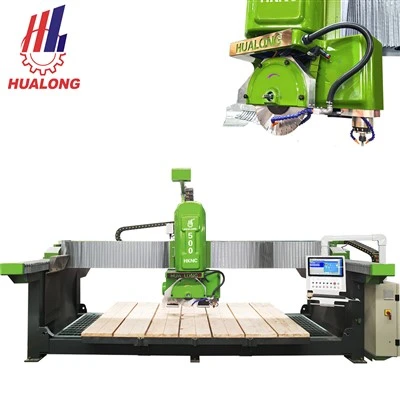
The stable operation of the equipment relies on the coordinated operation of its core components. The key components and their functions are as follows:
Spindle: The core power component of the equipment, mainly used for clamping and fixing the carving tools. Its high-speed rotation provides cutting power for stone carving, directly determining carving efficiency and accuracy.
Cutting Table: The operating platform that supports the stone raw materials, providing stable load-bearing and auxiliary positioning. It is fundamental to ensuring the flatness of the carved surface.
Cooling System: Continuously cools the tools and stone during processing, effectively avoiding problems such as tool wear, stone cracking, and pattern burning caused by high temperatures generated during high-speed cutting, thus extending the service life of the equipment and tools.
Dust Removal System: Collects stone powder, debris, and waste generated during carving operations in real time, purifying the working environment and preventing dust accumulation from affecting the equipment's operating accuracy.
II. Core Preparations for Beginners
(I) Selecting Suitable Equipment Based on Needs
Equipment selection should be precisely matched to your processing scenarios to avoid overkill or underpowered equipment. Three key dimensions should be considered:
Clarify Processing Needs: Beforehand, identify the types of projects you will be processing, commonly used stone materials, and processing complexity. This will serve as the core basis for equipment selection.
Match Equipment Size: Based on the specifications of the stone you are typically processing, select equipment with a corresponding worktable travel to ensure the equipment is fully compatible with the stone size and meets daily processing needs.
Matching Power and Speed: Pay close attention to the spindle power and rated speed of the equipment. For hard stone and deep carving, choose high-power, adjustable-speed equipment to ensure smooth cutting and efficient processing.
(II) Standardizing Equipment Installation and Debugging
Selecting an Installation Site: Prioritize well-ventilated, spacious, and level work areas, reserving sufficient space for equipment operation, daily maintenance, and material handling. Avoid environments that are damp, exposed to direct sunlight, or have severe dust accumulation.
Standard Equipment Installation: Strictly follow the manufacturer's official installation instructions to complete the machine assembly, wiring connection, and system debugging. For beginners without practical experience, it is recommended to hire professional installers to ensure compliant installation and stable operation.
Precise Equipment Calibration: Based on the material hardness and slab thickness of the stone to be processed, precisely calibrate the equipment stroke, levelness, and tool reference to ensure carving accuracy from the source.
III. Standardized Practical Operation Procedures
(I) Stone Clamping and Positioning
Fixing the Stone Raw Material: Place the stone to be processed stably in the center area of the workbench and securely fix it with special clamps to prevent stone displacement and shaking during carving, avoiding pattern deformation and processing errors.
Calibrating the Stone Level: Use a level to check the flatness of the stone and fine-tune its placement to ensure uniform carving depth and consistent pattern throughout the process.
(II) Precise Adjustment of Processing Parameters
Appropriate Tool Selection: Match the appropriate carving tools according to the stone material and design scheme. Use fine tools for fine lines and shallow carving, and coarse tools for large-area cutting and deep carving to improve processing results. Adjusting Spindle Speed: Following the principle of "low speed for soft materials, high speed for hard materials," adjust the spindle speed flexibly according to the hardness of the stone to prevent stone chipping and tool jamming/breakage.
Setting Cutting Depth: Set the carving depth in layers according to design requirements to avoid excessive depth cutting in a single operation, which could cause stone cracking or tool overload damage.
(III) Standardized Carving Operation Throughout
Starting Operation and Monitoring: After parameter adjustment, start the equipment and closely monitor the processing status throughout the process, promptly addressing any abnormalities such as jamming, deviation, or unusual noises.
Continuous Cooling and Lubrication: Keep the cooling system running throughout the process to maintain a constant temperature between the tool and the stone; add lubricant as needed according to the processing progress to reduce cutting friction and extend tool life.
Maintaining Dust Removal: Ensure the dust removal system operates normally throughout the process, promptly cleaning up dust and debris to ensure a clear processing view and stable equipment operation.
IV. Safe Operation Procedures and Equipment Maintenance
(I) Personal Protective Equipment
During practical operation, a full set of PPE must be worn correctly to mitigate operational risks:
Protective Eyewear: Blocks flying stone chips and dust during carving, protecting the eyes from injury.
Hearing Protection: Wear earplugs or earmuffs to isolate high-decibel noise from equipment operation and prevent hearing damage from prolonged work.
Dust Mask: Effectively blocks the inhalation of fine stone dust, protecting respiratory health.
(II) Equipment Safety and Daily Maintenance
Familiarity with Emergency Operations: Master the location and use of the equipment's emergency stop button. In case of jamming, malfunction, or safety hazards, stop the machine immediately to avoid danger.
Regular Equipment Maintenance: Perform daily maintenance such as equipment cleaning, guide rail lubrication, wiring inspection, and replacement of vulnerable parts. Clean up dust and waste promptly to ensure long-term stable operation of the equipment.
Pre-Job Training: New operators must complete systematic safety operation training and master the equipment operation procedures and troubleshooting methods before operating the machine independently.


V. Summary and Improvement Suggestions for Beginners
Operating a stone engraving machine is of moderate difficulty, combining practicality and creativity. Beginners can independently create high-quality stone carvings by choosing the right equipment, installing and debugging it correctly, mastering the operating procedures, and strictly adhering to safety regulations.
To refine one's skills, the key is consistent practice and continuous learning. Beginners can gradually master advanced techniques and steadily improve their stone carving abilities by repeatedly practicing and refining operational details, learning from industry experience, and optimizing creative and processing techniques.