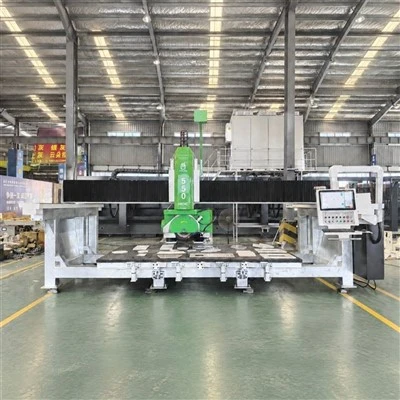
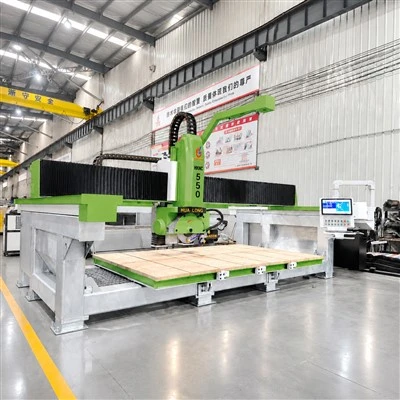
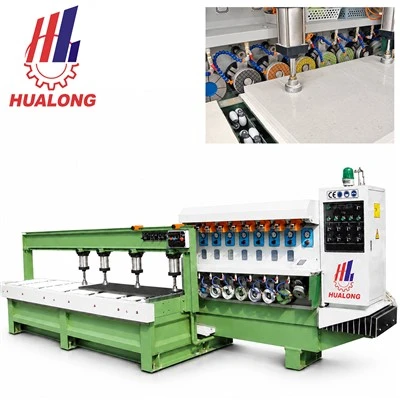
CNC stone engraving machines are core precision tools used in deep stone processing. Driven by a CNC system, they maneuver cutting tools to perform relief carving, line engraving, openwork, and complex-profile milling on materials such as granite, marble, and engineered stone. These machines are widely used in the production of tombstones, decorative panels, and stone handicrafts. Because the equipment often operates under heavy loads for extended periods, vibration and noise issues frequently arise. These are not only disruptive to the workshop environment but also serve as clear indicators of internal component irregularities. Prompt investigation and resolution are essential to ensuring stable operation, maintaining processing efficiency, and upholding the quality of the finished products.
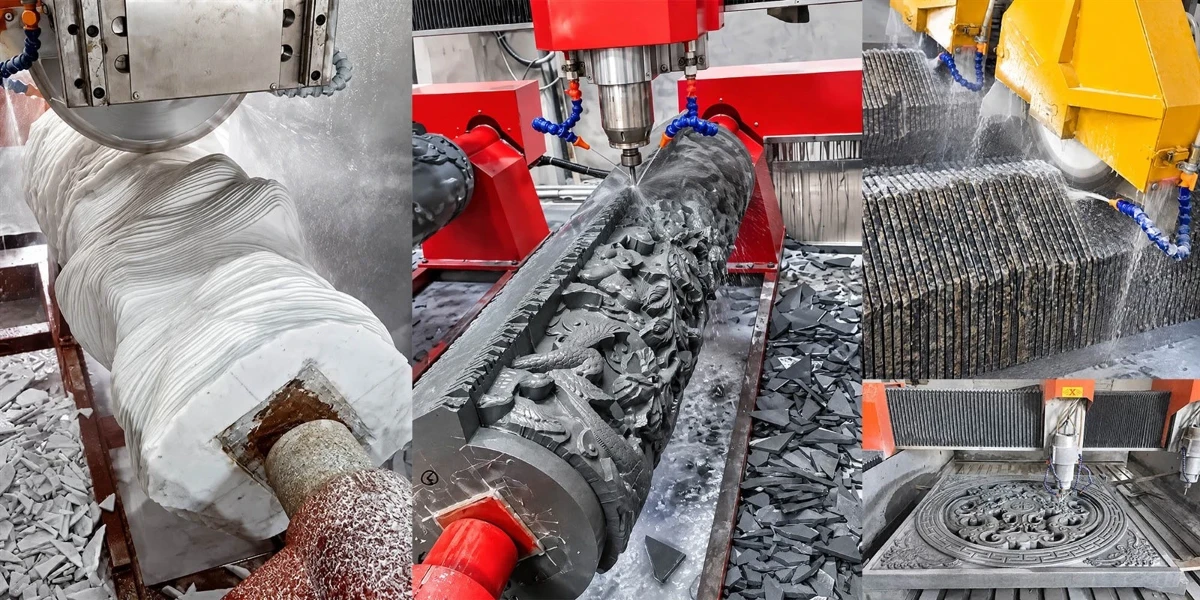
During the daily operation of a stone engraving machine, various malfunctions may occur-a common reality throughout the equipment's service life. However, such issues should not be ignored; identifying the root cause and addressing it promptly is the only way to ensure smooth, continuous operation, keep production on track, and enhance overall processing efficiency.
1. Abnormal Noise from the Spindle Motor
Unusual noise from the spindle is typically caused by defective bearings, the end of a bearing's designed service life, or excessive wear from long-term heavy-duty use-all of which can lead to increased internal clearances or total bearing failure. This issue must be addressed immediately by replacing the bearing components to prevent cascading risks, such as the spindle seizing or the cutting tool shattering.
2. Abnormal Noise During Axial Movement
This issue occurs most frequently along the X-axis. Potential causes include damaged bearings in the axial motor, insufficient lubrication or the accumulation of dust and debris on the guide rails, excessive preload during assembly, or wear and loss of ball bearings within the ball screw mechanism. Upon detecting such noise, a systematic investigation should be conducted to identify the source. This prevents further wear on the transmission components and stops minor issues from escalating into major, irreparable damage.
In addition to targeted component repairs, installing vibration-dampening rubber pads under the base of the stone engraving machine is a simple, highly effective, and widely used solution. These pads help buffer the resonance of the entire machine, thereby reducing the operational noise transmitted to the surrounding environment. Once you have identified the various causes of noise in stone-carving machines, it is essential to establish a routine inspection protocol. Detecting unusual sounds early allows for prompt troubleshooting, ensuring that equipment is never operated while in a faulty state. Ignoring such noises accelerates the wear and tear of critical components-such as drive systems and spindles-which can easily lead to severe issues, including unexpected downtime or total equipment failure. Consistent troubleshooting and regular maintenance are the best ways to avoid significant losses caused by major operational stoppages. Should you have any questions regarding the selection of stone-processing equipment or maintenance strategies, please feel free to reach out for professional advice.
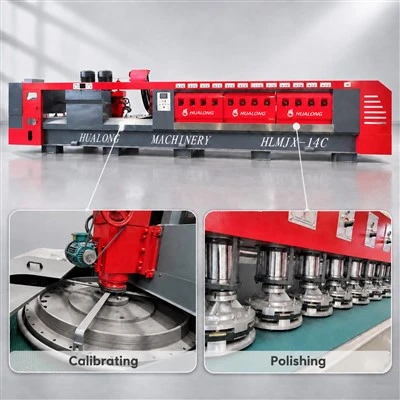
With over 30 years of deep expertise in the R&D and manufacturing of stone-processing machinery, Fujian Hualong Machinery provides a comprehensive range of CNC equipment-covering everything from extraction and cutting to carving and polishing-along with integrated solutions for clients worldwide. Our equipment is exported to over a hundred countries and regions. Backed by mature technical experience and a robust after-sales support system, we offer expert guidance on equipment selection and operational maintenance, helping stone-processing enterprises achieve stable, low-noise, and highly efficient intelligent production.